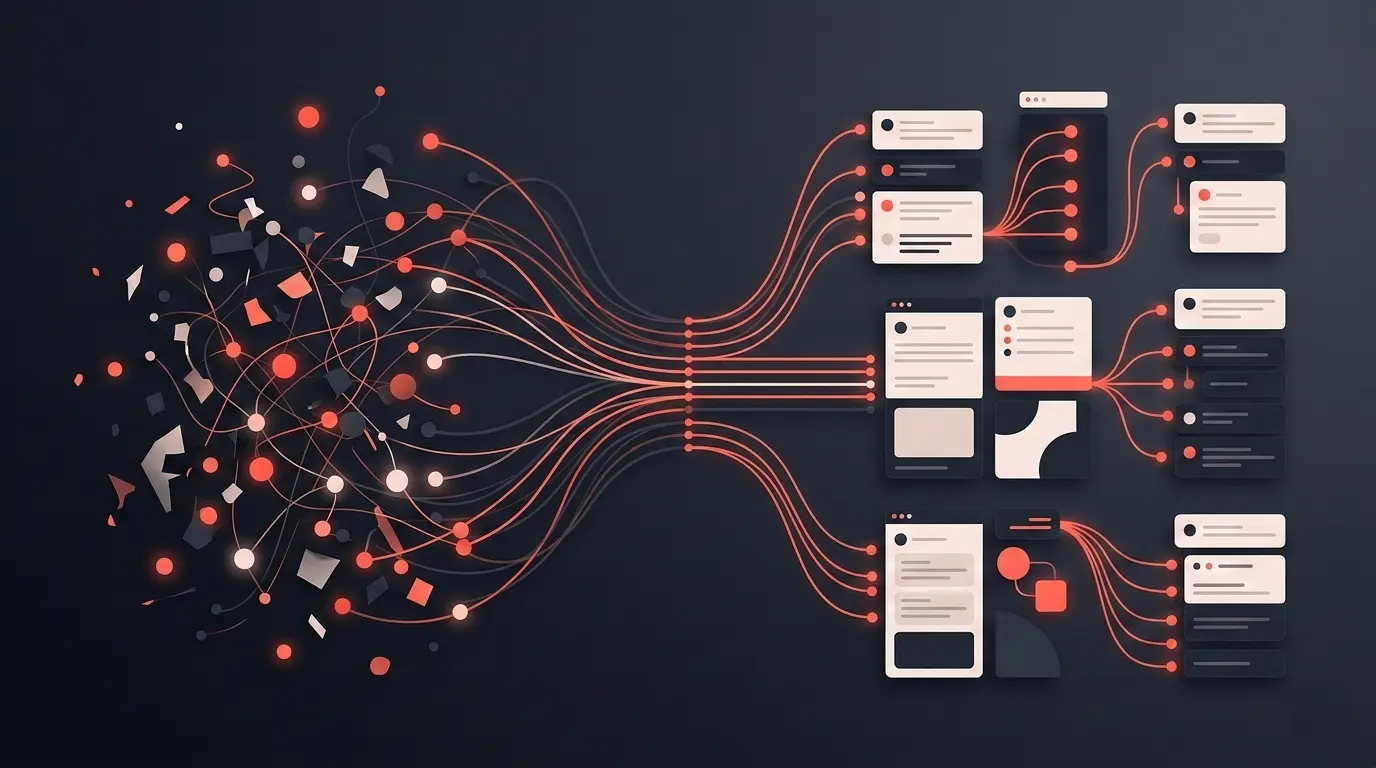
Cybersecurity Advances to Protect Your Data in an era defined by constant connectivity and rapid data exchange, protecting digital assets has become a fundamental necessity. The emergence of cybersecurity advances is reshaping how individuals, organizations, and governments defend sensitive information from increasingly sophisticated threats. Cyberattacks are no longer isolated incidents but part of a complex and evolving ecosystem of digital risks. These threats range from data breaches and ransomware to identity theft and system infiltration. As digital footprints expand, so does the need for robust defensive architectures capable of anticipating, detecting, and neutralizing malicious activity before damage occurs. Modern cybersecurity is therefore not just a protective measure but a proactive discipline built on continuous vigilance and adaptive intelligence.

Multi Layered Defense Architectures
One of the most effective strategies in modern cybersecurity is the implementation of multi layered defense systems. These architectures operate on the principle that no single security measure is sufficient to protect complex digital environments. Instead, multiple overlapping safeguards are deployed to create redundancy and resilience. Firewalls act as the first barrier, filtering incoming and outgoing network traffic based on predefined security rules. Intrusion detection systems monitor network behavior for suspicious activity, while endpoint protection tools secure individual devices from malware and unauthorized access. This layered approach ensures that even if one defense mechanism is compromised, others remain active to prevent full system infiltration.
Encryption and Data Protection Mechanisms
Encryption remains one of the most powerful tools in safeguarding digital information. It transforms readable data into coded formats that can only be deciphered with the correct cryptographic key. This ensures that even if data is intercepted, it remains unintelligible to unauthorized parties. Modern encryption protocols are becoming increasingly sophisticated, utilizing advanced mathematical algorithms to secure communications across networks. End to end encryption is now widely used in messaging platforms and online transactions, providing users with a high level of privacy and security. As data continues to travel across global networks, encryption serves as a critical shield against interception and unauthorized access.
Artificial Intelligence in Threat Detection
The integration of artificial intelligence into cybersecurity has significantly enhanced threat detection capabilities. AI powered systems analyze vast amounts of data in real time to identify unusual patterns and potential security breaches. Machine learning algorithms are trained to recognize normal system behavior and detect deviations that may indicate malicious activity. This allows for faster and more accurate identification of threats compared to traditional methods. Predictive analytics further strengthens defense mechanisms by forecasting potential vulnerabilities before they are exploited. The ability of AI systems to continuously learn and adapt makes them invaluable in the fight against increasingly complex cyber threats.
Identity Verification and Access Control
Securing access to digital systems is a critical component of cybersecurity strategy. Modern identity verification systems use multi factor authentication to ensure that only authorized users can access sensitive information. This typically involves a combination of passwords, biometric data, and verification codes. Biometric authentication methods such as fingerprint scanning and facial recognition add an additional layer of security by relying on unique physical characteristics. Access control systems also regulate user permissions, ensuring that individuals can only interact with data relevant to their roles. This minimizes the risk of internal breaches and limits exposure to sensitive information.
Cloud Security Enhancements
As organizations increasingly rely on cloud based infrastructure, securing these environments has become a top priority. Cloud security frameworks are designed to protect data stored and processed in remote servers. These systems incorporate encryption, access control, and continuous monitoring to safeguard against unauthorized access. Security protocols are also integrated directly into cloud platforms, allowing for real time threat detection and automated response mechanisms. Shared responsibility models ensure that both service providers and users contribute to maintaining security standards. This collaborative approach strengthens overall protection while maintaining the flexibility and scalability of cloud environments.
Behavioral Analytics and Anomaly Detection
Behavioral analytics has emerged as a powerful tool in identifying potential security threats. By analyzing user behavior patterns, cybersecurity systems can detect anomalies that may indicate compromised accounts or malicious activity. These systems establish baseline behavior profiles and flag deviations for further investigation. This approach is particularly effective in identifying insider threats and advanced persistent attacks that may evade traditional security measures. Continuous monitoring of behavioral data enables organizations to respond quickly to emerging risks and prevent potential breaches before they escalate.
The Expanding Frontier of Digital Protection
The ongoing evolution of digital defense mechanisms continues to reshape the global security landscape. Within this dynamic environment, cybersecurity advances play a pivotal role in strengthening resilience against increasingly sophisticated threats. These innovations are not isolated solutions but interconnected systems that combine encryption, artificial intelligence, behavioral analysis, and layered defenses to create comprehensive protection frameworks. As digital ecosystems continue to expand, cybersecurity will remain a foundational pillar of technological progress, ensuring that data integrity, privacy, and trust are preserved in an ever connected world.
About the Author