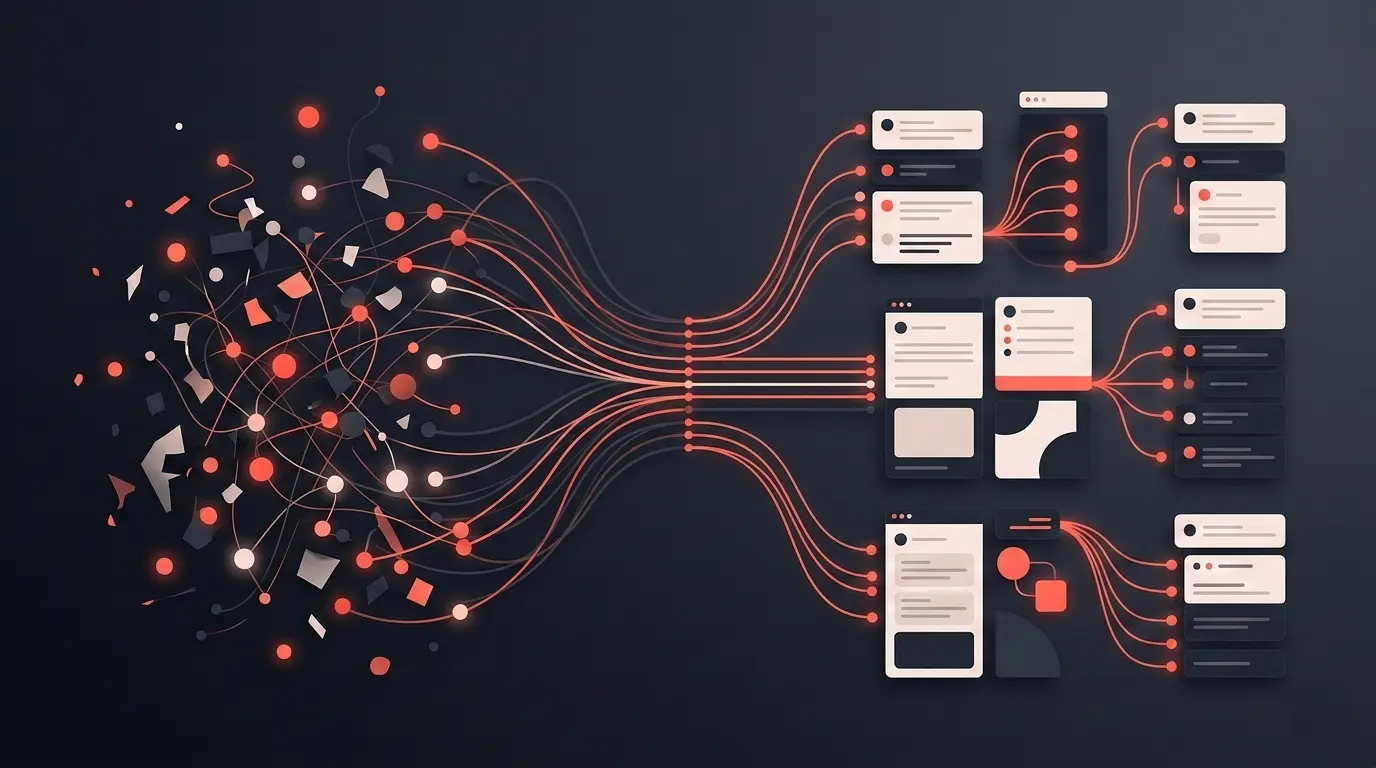
10 Innovative Software Apps That Are Changing the Way We Live

10 Innovative Software Apps That Are Changing the Way We Live
Technology has always been a driving force behind societal transformation, and in recent years, software applications have emerged as some of the most influential tools reshaping our daily lives. From healthcare to finance, education to entertainment, these innovative apps are not just changing how we interact with the world—they are redefining what’s possible. Whether by leveraging artificial intelligence, enhancing connectivity, or simplifying complex tasks, these platforms are making our routines smarter, more efficient, and more connected. Below, we explore ten groundbreaking software apps that are at the forefront of this digital revolution.
1. ChatGPT (OpenAI)
Since its launch, ChatGPT has become a household name, demonstrating the transformative power of generative artificial intelligence. Developed by OpenAI, this advanced language model can generate human-like text, answer complex questions, draft emails, write code, and even create poetry or stories. Unlike traditional search engines that provide information, ChatGPT engages in conversational interactions, making it an invaluable tool for students, professionals, and creatives alike. Its ability to understand context and nuance has blurred the line between human and machine communication, paving the way for more intuitive digital assistants.
2. Duolingo
Language learning has never been more accessible or engaging, thanks to Duolingo. This gamified app uses bite-sized lessons, interactive exercises, and rewards to help users learn new languages in a fun and addictive way. What started as a simple language-learning tool has evolved into a comprehensive platform that supports over 40 languages, including less commonly taught ones. By incorporating speech recognition and AI-driven feedback, Duolingo personalizes the learning experience, making it suitable for beginners and advanced learners alike. Its free access model and mobile-first design have democratized education, reaching millions globally.
3. Notion
In an era where productivity tools are essential for both personal and professional success, Notion stands out as a revolutionary all-in-one workspace. This app seamlessly combines note-taking, task management, database creation, and collaboration features into a single platform. Users can create custom workflows, manage projects, and organize knowledge using a flexible block-based system. Notion’s integration with third-party tools and its collaborative capabilities make it ideal for remote teams, students, and individuals seeking to streamline their productivity. Its adaptability and scalability have earned it a loyal user base and a reputation as a game-changer in the productivity software space.
4. Calm
Mental health and well-being have gained unprecedented attention in recent years, and apps like Calm have become vital resources for millions seeking to reduce stress and improve sleep. This meditation and relaxation app offers guided sessions, sleep stories, breathing exercises, and music designed to promote mindfulness and relaxation. What sets Calm apart is its focus on accessibility—short sessions for busy schedules, expert-led content, and even programs tailored for specific needs like anxiety or focus. By making mental wellness tools available at our fingertips, Calm has played a significant role in normalizing self-care and destigmatizing mental health conversations.
5. Revolut
The financial technology sector has seen a surge in innovation, and Revolut is leading the charge in transforming how we manage money. This digital banking app goes beyond traditional banking by offering real-time currency exchange, fee-free international spending, cryptocurrency trading, and budgeting tools—all within a sleek, user-friendly interface. Revolut’s ability to integrate multiple financial services into one app makes it particularly appealing to global travelers, freelancers, and digital nomads. Its commitment to transparency, low fees, and real-time transaction alerts has disrupted the traditional banking model, empowering users with greater control over their finances.
6. Snapchat (with Augmented Reality Features)
Snapchat has long been a pioneer in social media innovation, particularly through its use of augmented reality (AR). The app’s AR filters and lenses have redefined digital self-expression, allowing users to transform their appearance, play interactive games, or even try on virtual makeup and clothing. Beyond entertainment, Snapchat’s AR technology has practical applications in education, marketing, and retail. For example, brands use AR try-on features to let customers visualize products before purchasing, while educators leverage Snapchat’s creative tools to engage students in interactive learning. By blending the physical and digital worlds, Snapchat continues to push the boundaries of how we interact online.
7. Spotify
Music streaming has evolved from a convenience to an art form of personalization, largely thanks to Spotify. This app doesn’t just offer access to millions of songs—it curates personalized playlists like “Discover Weekly” and “Release Radar” based on user preferences, creating a unique soundtrack for every listener. Spotify’s integration with podcasts, audiobooks, and exclusive content has further solidified its role as a leading entertainment platform. Its use of AI-driven algorithms to understand listening habits has set a new standard for user engagement, making it an indispensable part of daily routines for music and audio enthusiasts worldwide.
8. Headspace
Like Calm, Headspace has become a cornerstone in the mental wellness app ecosystem, offering a structured and science-backed approach to meditation and mindfulness. The app provides guided meditations for various purposes, such as stress reduction, better sleep, improved focus, and emotional resilience. Headspace’s content is created in collaboration with experts, ensuring that users receive high-quality, evidence-based guidance. Its user-friendly design, animations, and progress tracking make it accessible to beginners while offering advanced features for seasoned practitioners. By promoting mental clarity and emotional well-being, Headspace is helping to cultivate a healthier, more mindful society.
9. Zoom
The global shift toward remote work and virtual communication was accelerated by the COVID-19 pandemic, and Zoom emerged as the go-to platform for video conferencing. What started as a niche tool for businesses has become a household name, facilitating everything from professional meetings to virtual family gatherings. Zoom’s reliability, ease of use, and scalability have made it the preferred choice for educators, healthcare providers, and organizations worldwide. Its integration with calendar apps, collaborative features like virtual whiteboards, and support for large-scale webinars have redefined how we connect in the digital age. Zoom’s impact extends beyond convenience—it has made the world feel smaller and more interconnected.
10. Ada Health
In the realm of healthcare, Ada Health is revolutionizing how we understand and manage our well-being. This AI-powered app allows users to input symptoms and receive personalized health insights, potential diagnoses, and guidance on next steps—all without the need for an immediate doctor’s visit. Ada’s algorithm is continuously updated with medical research, making it a reliable source for preliminary health assessments. The app also includes features for tracking symptoms over time, managing chronic conditions, and connecting with healthcare professionals when necessary. By democratizing medical knowledge and reducing barriers to healthcare access, Ada Health is empowering individuals to take charge of their health in a more informed and proactive way.
Why These Apps Matter
The ten apps highlighted above represent more than just technological advancements—they are catalysts for change in how we live, work, learn, and care for ourselves and others. Each app addresses a specific need while also contributing to broader trends, such as the rise of AI, the importance of mental health, the need for financial literacy, and the desire for seamless connectivity. They exemplify how software can bridge gaps, enhance accessibility, and create opportunities for people across different walks of life.
Moreover, these apps are not static; they evolve rapidly in response to user feedback and technological advancements. Features like personalization, real-time updates, and integration with other services ensure that they remain relevant and valuable over time. As we look to the future, it’s clear that software will continue to play a pivotal role in shaping our lives, making it essential to stay informed about the tools that can enhance our daily experiences.
Final Thoughts
Innovation in software is not just about creating new gadgets or flashy interfaces—it’s about solving real-world problems and improving the human experience. The apps we’ve explored are prime examples of how technology, when thoughtfully designed, can bring about meaningful change. Whether you’re a student, a professional, a parent, or simply someone looking to simplify your life, there’s likely an app on this list that can make a tangible difference.
As we embrace these digital tools, it’s important to remain mindful of their broader implications, including data privacy, digital well-being, and the ethical use of AI. By using these apps responsibly and staying updated on their evolving features, we can harness their full potential to create a more connected, efficient, and compassionate world. The future of software is bright, and the innovations we’ve seen today are only the beginning.
About the Author