Introduction & Background
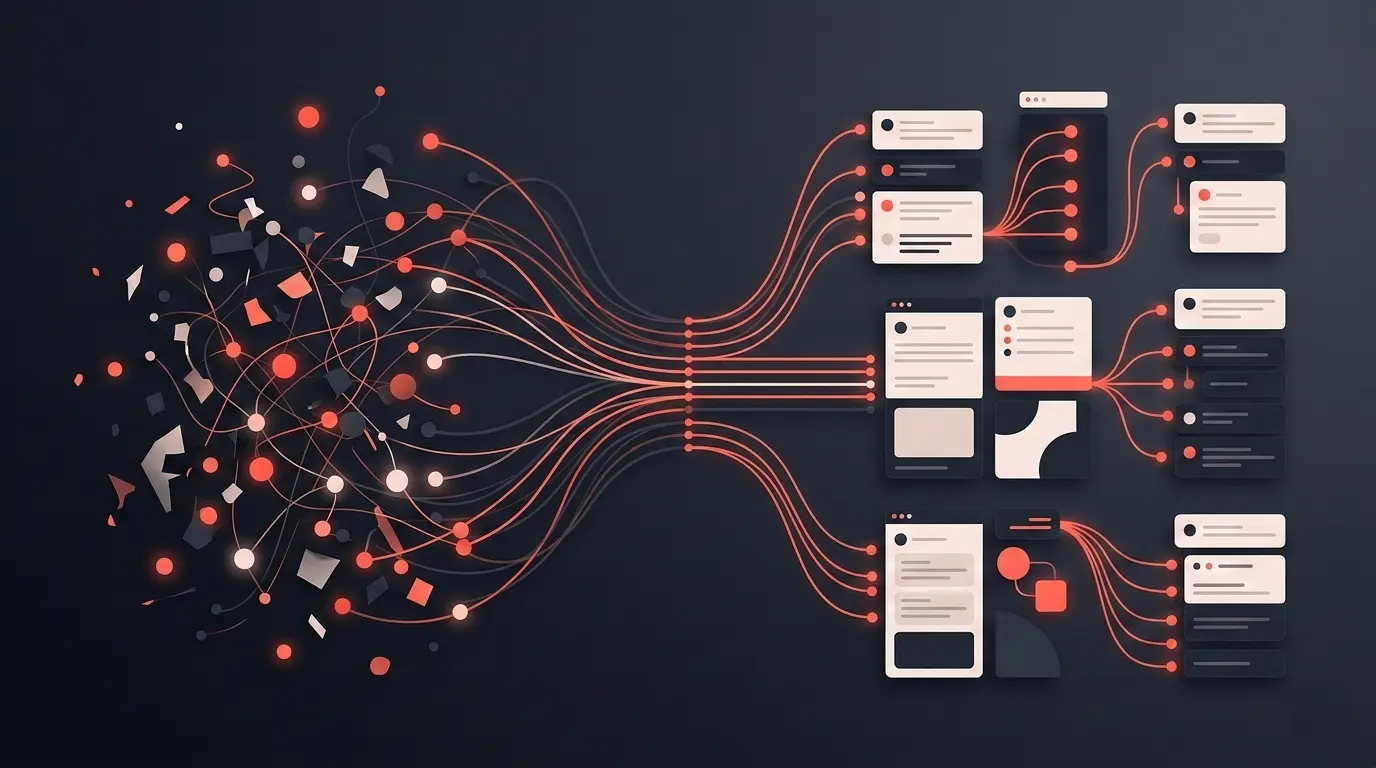
In the modern era, software apps have become the invisible backbone of daily life. From the moment we wake up to the time we sleep, these digital tools shape how we communicate, work, travel, and even relax. They streamline tasks that once felt cumbersome, connect us instantaneously across the globe, and unlock possibilities we once deemed impossible. Yet, despite their ubiquity, the true power of software apps often goes unnoticed. They operate silently in the background, making our routines smoother, more efficient, and more adaptable without demanding much attention in return. Understanding this unseen influence is key to appreciating how deeply technology has woven itself into the fabric of everyday existence.
Software apps are more than just tools. They are transformative forces that redefine human behavior, reshape industries, and create entirely new ecosystems of convenience and opportunity. Whether it is ordering food with a tap, navigating unknown cities in real time, or managing finances from a smartphone, these applications have revolutionized the way individuals interact with the world. Their impact spans across demographics, geographies, and socioeconomic boundaries, making them one of the most democratizing technologies of the 21st century. As we dive deeper into the mechanics and influence of software apps, it becomes clear that their role extends far beyond mere utility, they are catalysts for a global digital transformation.
Concept & Overview
At its core, a software app is a program or set of programs designed to perform specific functions or tasks for users. Unlike system software that manages hardware or operating systems, apps are built with user experience in mind, tailored to solve particular problems or enhance productivity. The concept emerged prominently with the rise of personal computers and later exploded with the advent of smartphones and mobile connectivity. Today, software apps come in various forms: native apps built for specific platforms, web apps accessible through browsers, and hybrid apps blending both approaches.
The distinguishing feature of modern software apps lies not just in their functionality, but in their ability to integrate seamlessly into daily routines. They leverage data, artificial intelligence, and cloud computing to offer personalized experiences that evolve with user behavior. For instance, a weather app doesn’t just show temperature, it learns a user’s commuting habits and suggests the best time to leave home. This level of intelligence and adaptability sets contemporary software apart from earlier generations of static programs. As a result, these apps don’t merely assist; they anticipate, guide, and sometimes even make decisions on our behalf, fundamentally altering how we perceive control and convenience in life.
Key Features & Highlights
- User-Centric Design: Modern software apps prioritize intuitive interfaces and seamless navigation, ensuring users can accomplish tasks with minimal effort. Features like dark mode, gesture controls, and voice commands reflect a deep focus on accessibility and comfort.
- Real-Time Updates and Sync: Apps such as messaging platforms, project management tools, and email clients provide instant synchronization across devices. This ensures that users have access to the latest information without manual refreshes or delays.
- Integration Capabilities: The most powerful apps do not operate in isolation. They integrate with other services, calendars, payment gateways, social networks, to create unified workflows. For example, a fitness app might sync with a smartwatch and a nutrition tracker to provide a holistic health dashboard.
- Personalization Through AI: Artificial intelligence powers features like predictive text, smart recommendations, and adaptive learning. Apps analyze user behavior to tailor content, notifications, and even interface layouts, making every interaction feel bespoke.
- Offline Functionality: Despite the emphasis on connectivity, many apps now offer robust offline modes. Users can draft emails, edit documents, or track habits without an internet connection, with changes syncing automatically once connectivity is restored.
- Security and Privacy Controls: As apps handle sensitive data, encryption, two-factor authentication, and granular privacy settings have become standard. Users increasingly expect transparent data policies and control over how their information is used and shared.
- Cross-Platform Availability: Leading apps are available on multiple platforms, iOS, Android, web, and desktop, ensuring consistent experiences whether a user switches from phone to laptop or from home to office.
Frequently Asked Questions / Pros & Cons
What makes software apps so essential in daily life today?
Software apps have become essential because they automate repetitive tasks, reduce human error, and save time. They enable instant communication, remote work, on-demand services, and personalized experiences that were unimaginable a few decades ago. Their role in education, healthcare, finance, and entertainment has made them indispensable across all age groups and professions.
Are there downsides to relying heavily on software apps?
While the benefits are substantial, over-reliance on software apps can lead to digital fatigue, reduced attention spans, and privacy concerns. Constant notifications may increase stress, and over-automation can diminish critical thinking and face-to-face interactions. Additionally, data breaches and misuse of personal information remain significant risks in an app-driven world.
How do software apps improve productivity?
Apps like task managers, time trackers, and collaboration tools help users organize work, set priorities, and measure progress. They eliminate manual record-keeping, reduce email clutter, and enable asynchronous communication, allowing teams to work efficiently across time zones. Automation features in apps further free up time for higher-value activities.
What should users look for when choosing a software app?
Users should prioritize apps with strong user reviews, transparent privacy policies, regular updates, and cross-platform support. It is also important to consider whether the app aligns with specific needs, whether for productivity, health, finance, or entertainment, and whether it offers sufficient customization to adapt to personal workflows.
Can software apps replace traditional services entirely?
While many traditional services have been digitized, apps often complement rather than fully replace them. For example, telemedicine apps supplement doctor visits, but in-person care remains vital for complex diagnoses. Similarly, online banking apps streamline transactions, but physical branches and customer service lines still play a role in dispute resolution and financial advice.
Practical Guidance & Solutions
To harness the power of software apps without falling prey to their pitfalls, start by conducting a digital audit. Identify which apps are truly essential and which are merely time-wasters. Uninstall or archive unused applications to declutter your digital space and reduce cognitive load. Next, prioritize apps from reputable developers that offer end-to-end encryption and clear data policies. Regularly update your apps to benefit from the latest security patches and features.
Another practical step is to leverage app integrations to create a unified digital ecosystem. For instance, connect your calendar app with your email and messaging platforms to streamline scheduling and reminders. Use automation tools like IFTTT or Zapier to create custom workflows that save time, such as automatically saving email attachments to cloud storage or syncing fitness data with your health tracker.
For those concerned about privacy, adopt a minimalist approach: share only necessary data, review app permissions regularly, and use virtual private networks (VPNs) when accessing apps on public networks. Additionally, balance app usage with offline activities to maintain mental well-being and real-world connections. Setting app-free hours, such as during meals or before bed, can help restore balance and presence in daily life.
Conclusion
Software apps have quietly become the unsung heroes of modern life, reshaping how we live, work, and connect. Their power lies not in their complexity, but in their ability to simplify the complex, connect the disconnected, and empower individuals across the globe. From the smallest convenience to life-changing innovations, these digital tools have woven themselves into the rhythm of our days, often without fanfare or recognition. Yet, their true strength emerges when used thoughtfully, when we allow them to enhance rather than overwhelm, to connect rather than isolate, and to empower rather than control.
As we move forward, the relationship between humans and software apps will continue to evolve. With advancements in artificial intelligence, augmented reality, and decentralized technologies, the next generation of apps promises even greater personalization and integration into our physical environments. The key to maximizing this potential lies in mindful adoption, ethical use, and a commitment to preserving the human touch at the core of all interactions. By understanding and embracing the unseen power of software apps, we can not only revolutionize our daily lives but also redefine what it means to live in a connected world.
About the Author