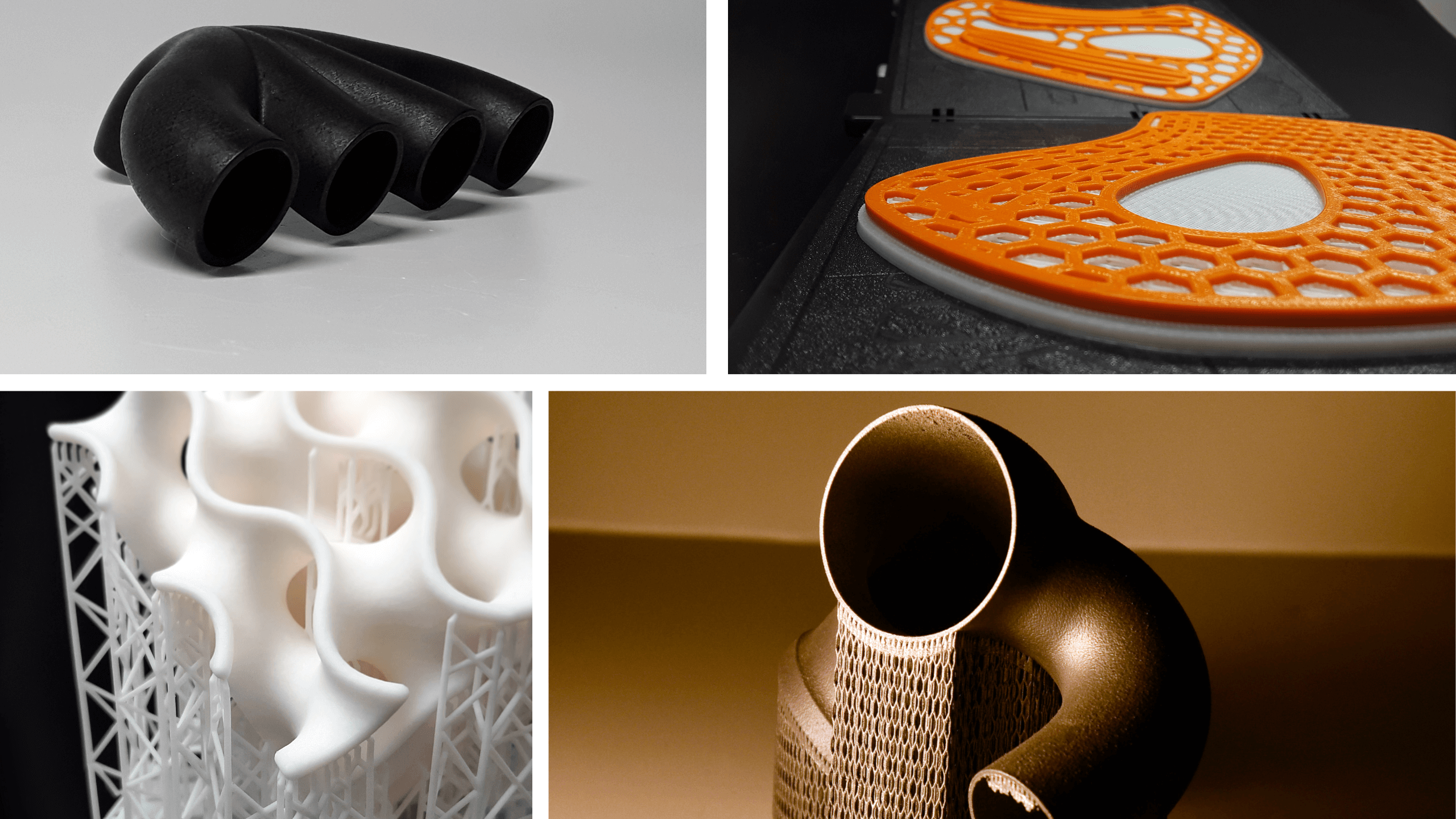
Additive manufacturing, or 3D printing, has revolutionized the way we design and create, offering unparalleled freedom to produce complex geometries that were once impossible. Yet, the moment a part emerges from the printer—a raw, often rough-hewn creation—is not the end of its journey. This intricate step, a blend of art and science, is what transforms a rough print into a functional, aesthetically pleasing, and durable final product.
While the glamour of a 3D printer building a part layer by layer often steals the spotlight, the success of a 3D-printed product hinges on the additive manufacturing post processing that follows. This phase is not a one-size-fits-all solution; it is a tailored, multi-step process unique to the printing technology, material, and final application. It is where raw, often fragile prints are cleaned, strengthened, smoothed, and finished to meet the stringent demands of various industries, from aerospace to medical and consumer goods.
Enhancing Mechanical Properties: The Science of Strength
After cleaning, large numbers of 3D-printed parts need fixtures to enhance their mechanical characteristics. The layer-by-layer nature of additive manufacturing can sometimes result in anisotropic properties—meaning a part is stronger in one direction than another. Post-processing techniques are designed to mitigate this and enhance overall strength, durability, and resilience.
Thermal curing, for example, is a common method for thermoset resins used in stereo lithography (SLA). Exposing the printed part to UV light or heat after printing fully cures the resin, significantly increasing its hardness and strength. Processes like hot isostatic pressing (HIP) apply high pressure and temperature to eliminate internal pores and voids, demystifying the metal and making it stronger and more consistent. For polymers, chemical vapor smoothing can melt the outer layer of a part, fusing the layers together and improving both its strength and surface finish. This meticulous application of heat and chemistry is the science behind transforming a fragile print into an industrial-grade component.
Automation and Integration: The Future of Post-Processing
As additive manufacturing scales from prototyping to mass production, the need for automated post-processing solutions has become paramount. Manual labor is time-consuming, inconsistent, and expensive. The industry is now seeing a surge in automated solutions for every step of the process.
Robotics are being employed to handle de-powdering and support removal, ensuring consistency and speeding up the process. Automated sanding and polishing machines, often guided by computer vision, can precisely finish complex geometries. Even chemical smoothing and dyeing are being integrated into automated workflows, creating a seamless line from printer to final part. This automation is critical for making additive manufacturing a viable option for high-volume production, democratizing its benefits and bringing down costs. The future of 3D printing is not just in the printer itself, but in the intelligent systems that will flawlessly finish the part after it is created.
The Holisitic View: Post-Processing as a Strategic Advantage
From the engineer who needs a stronger, denser metal component for a jet engine to the artist who requires a perfectly smooth, colored part for a sculpture, post-processing is what makes the technology truly transformative. It is the detailed hand that closes the distance between the digital blueprint and the physical reality showing, in the world of 3D printing, the work will never be truly finished until the last and refined product passes the hand. The journey from raw to refined is a testament to the fact that while technology can create, it is human expertise, precision, and artistry that truly perfects.
About the Author