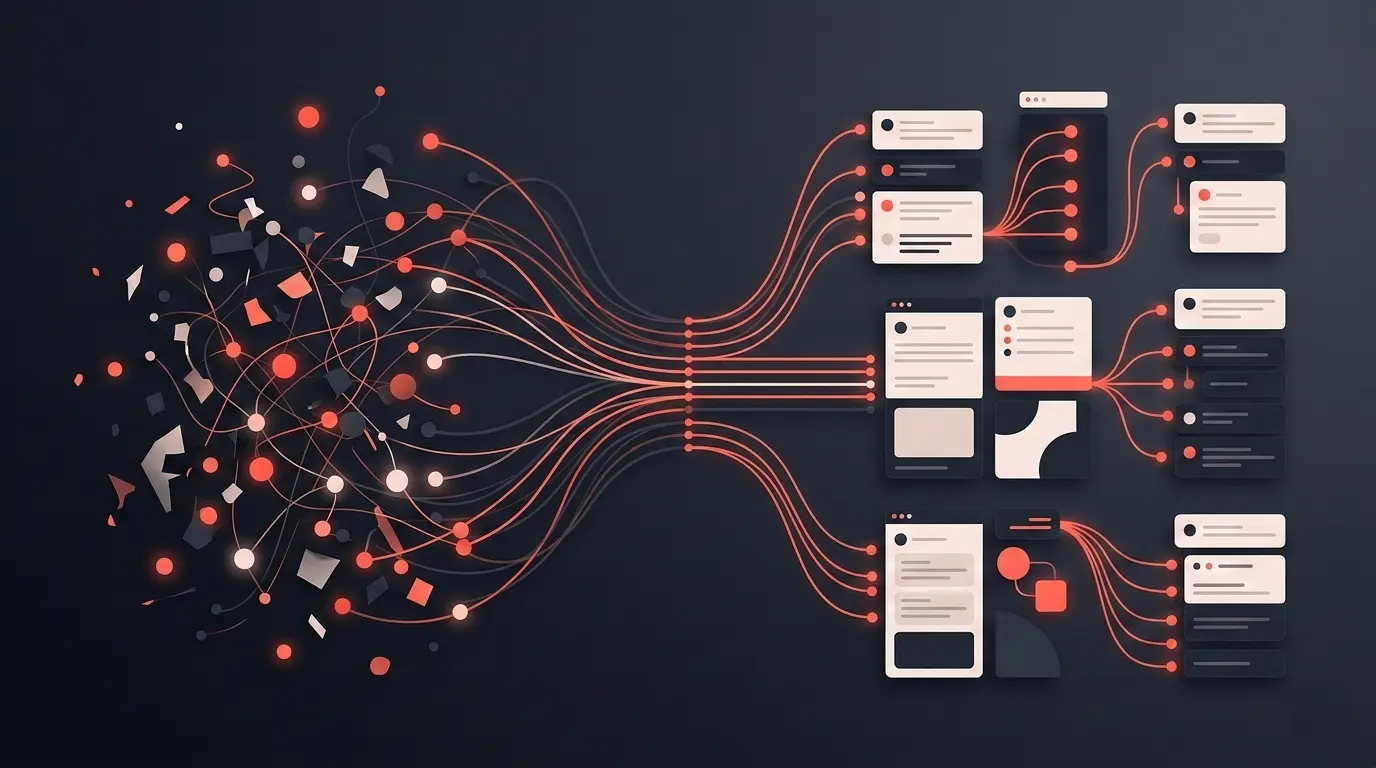
Future Machines: The Next Leap in Computer Innovation

The Next Leap in Computer Innovation: Future Machines
Computers have evolved from room-sized machines to devices that fit in the palm of our hands. Yet, the journey of innovation is far from over. The future of computing promises machines that are faster, smarter, and more intuitive than ever before. These advancements are not just about speed or storage—they represent a fundamental shift in how machines interact with the world and with us. From quantum computers solving problems in seconds to AI-driven systems that adapt in real time, the next generation of machines will redefine what’s possible. This article explores the cutting-edge technologies poised to shape the future of computing, their potential impact on industries, and the challenges that lie ahead.
The Rise of Quantum Computing
Quantum computing stands at the forefront of the next technological revolution. Unlike classical computers that use bits (0s and 1s), quantum computers leverage qubits, which can exist in multiple states simultaneously thanks to a property called superposition. This allows quantum computers to perform complex calculations at an unprecedented speed. For instance, tasks like factoring large numbers, simulating molecular structures, or optimizing large datasets could take seconds instead of years.
Companies like IBM, Google, and Rigetti are already making strides in quantum hardware. IBM’s 433-qubit Osprey processor and Google’s 72-qubit Bristlecone are milestones in the race toward practical quantum advantage. However, challenges remain, such as error correction and maintaining qubit stability at scale. As research progresses, quantum computers may soon unlock breakthroughs in drug discovery, materials science, and climate modeling.
Key Applications of Quantum Computing
- Cryptography: Quantum computers could break traditional encryption methods, necessitating the development of quantum-resistant algorithms.
- Drug Discovery: Simulating molecular interactions at a quantum level could accelerate the development of new medicines.
- Financial Modeling: Optimizing portfolios and predicting market trends with greater accuracy.
- AI Acceleration: Enhancing machine learning models by solving optimization problems more efficiently.
Artificial Intelligence and Machine Learning: The Cognitive Leap
Artificial intelligence (AI) has already transformed industries, from healthcare diagnostics to autonomous vehicles. The next wave of AI innovation will focus on general intelligence—systems that can reason, learn, and adapt across diverse domains without extensive reprogramming. This evolution is driven by advancements in neural networks, particularly transformer models like Google’s PaLM and OpenAI’s GPT series, which excel at understanding context and generating human-like text.
Beyond text generation, AI is making strides in multimodal learning, where systems can process and generate outputs from multiple data types, such as images, audio, and video. For example, Microsoft’s Kosmos-1 model can interpret and describe images while generating captions in real time. As AI becomes more integrated into daily life, ethical considerations around bias, privacy, and accountability will need to be addressed.
Emerging AI Technologies
- Neuromorphic Computing: Mimicking the human brain’s architecture to create energy-efficient, highly parallel processors.
- Federated Learning: Training AI models on decentralized data to enhance privacy while improving performance.
- Explainable AI (XAI): Developing models that provide transparent decision-making processes, crucial for sectors like healthcare and finance.
Neuromorphic and Brain-Inspired Computing
Inspired by the human brain’s efficiency, neuromorphic computing aims to create machines that process information in a way similar to biological neurons. Traditional computers, while powerful, consume vast amounts of energy for tasks that the brain handles effortlessly. Neuromorphic chips, such as Intel’s Loihi 2 and IBM’s TrueNorth, are designed to be energy-efficient and capable of learning from experience, much like biological systems.
These systems excel in edge computing—processing data locally on devices rather than relying on cloud servers. This is particularly valuable for applications in robotics, where real-time decision-making is critical, or in IoT devices that need to operate with minimal power consumption. The potential of neuromorphic computing extends to fields like prosthetics, where brain-machine interfaces could restore motor functions for individuals with disabilities.
Advantages of Neuromorphic Systems
- Energy Efficiency: Consumes significantly less power than traditional processors.
- Adaptive Learning: Can adjust behavior based on new data without extensive reprogramming.
- Parallel Processing: Mimics the brain’s ability to handle multiple tasks simultaneously.
The Promise of DNA Computing
At the intersection of biology and computing lies DNA-based data storage and processing. DNA molecules have the potential to store vast amounts of data in an incredibly compact form—one gram of DNA can hold approximately 215 million gigabytes. Companies like Microsoft and Twist Bioscience are exploring DNA as a medium for long-term, high-density data storage, which could revolutionize archival systems.
Beyond storage, researchers are investigating DNA-based computing, where biological molecules perform computational tasks. In 2013, a team at the University of Manchester demonstrated a DNA computer that could solve a simple maze. While still in its infancy, DNA computing could offer solutions to problems that are intractable for silicon-based computers, particularly in biology and chemistry.
Potential Benefits of DNA Computing
- Unprecedented Storage Density: Store entire libraries or historical records in a fraction of the space required today.
- Biocompatibility: Ideal for medical applications, such as in-situ diagnostics or targeted drug delivery.
- Sustainability: Uses renewable biological materials instead of rare earth metals found in traditional electronics.
Edge Computing and the Decentralized Future
The proliferation of Internet of Things (IoT) devices has led to an explosion of data. Transmitting all this data to centralized cloud servers is inefficient and often impractical. Edge computing addresses this challenge by processing data closer to where it is generated—on the device itself or at a local server. This reduces latency, improves response times, and enhances privacy.
Future machines will increasingly rely on edge computing to power applications like autonomous vehicles, smart cities, and industrial automation. For example, self-driving cars need to make split-second decisions without relying on distant data centers. Companies like NVIDIA and Qualcomm are developing specialized edge AI chips to meet these demands, enabling real-time processing with minimal latency.
Key Drivers of Edge Computing
- 5G and Beyond: Faster, more reliable connectivity enables seamless edge device communication.
- AI at the Edge: Deploying lightweight AI models on devices to enable smart interactions without cloud dependency.
- Privacy and Security: Keeping sensitive data local reduces exposure to cyber threats.
Sustainable Computing: Greener Machines for a Greener Future
As computing power grows, so does its environmental footprint. Data centers alone account for about 1% of global electricity use, a figure that could rise with the demand for AI and cloud services. The next generation of machines must prioritize sustainability through energy-efficient designs, renewable energy sources, and recyclable materials.
Innovations like photonic computing, which uses light instead of electricity to process data, could drastically reduce energy consumption. IBM’s NorthPole chip is an example of a processor designed for extreme efficiency, using 22nm technology to achieve high performance with low power. Additionally, companies are exploring the use of biodegradable materials and modular designs to extend the lifespan of electronic devices and reduce e-waste.
Strategies for Sustainable Computing
- Energy-Efficient Hardware: Developing chips that require less power without sacrificing performance.
- Carbon-Neutral Data Centers: Powering facilities with renewable energy and implementing advanced cooling techniques.
- Circular Economy Models: Designing products for longevity, repairability, and recyclability.
The Human-Machine Symbiosis
Perhaps the most profound shift in future computing is the blurring of lines between human and machine. Brain-computer interfaces (BCIs) like Neuralink’s are exploring ways to enable direct communication between the brain and external devices. These interfaces could restore mobility for people with paralysis, enhance cognitive abilities, or even enable new forms of communication.
Beyond BCIs, the integration of computing into everyday objects—from clothing to furniture—will create a seamless, intuitive interaction with technology. Imagine a world where your smart home not only responds to voice commands but anticipates your needs based on biometric data. Such advancements will require robust ethical frameworks to ensure they are used responsibly and inclusively.
Transformative Applications of Human-Machine Symbiosis
- Medical Breakthroughs: Restoring sight, hearing, or motor functions through neural implants.
- Enhanced Productivity: Using cognitive augmentation to improve focus, memory, and learning.
- Accessibility: Creating tools that empower individuals with disabilities to interact with the digital world effortlessly.
Challenges and Ethical Considerations
The future of computing is not without its hurdles. Quantum computers, while powerful, are fragile and require extreme cooling conditions. AI systems, despite their advancements, still struggle with bias, lack of transparency, and the potential for misuse. DNA computing faces biological and technical limitations, while edge computing raises questions about standardization and interoperability.
Ethically, the integration of AI and human-machine interfaces poses significant concerns. Issues such as data privacy, algorithmic bias, and the digital divide must be addressed to ensure that these technologies benefit society as a whole. Governments, industries, and researchers must collaborate to establish regulations that promote innovation while safeguarding individual rights.
Critical Challenges Ahead
- Technical Limitations: Overcoming the fragility of quantum systems and the energy demands of advanced AI.
- Ethical Dilemmas: Preventing misuse of AI, ensuring fairness, and maintaining human agency in decision-making.
- Infrastructure Gaps: Building the necessary networks and systems to support decentralized and quantum computing.
- Public Trust: Fostering transparency and understanding to encourage adoption of new technologies.
Conclusion: A Future Shaped by Innovation
The next leap in computer innovation is not a single breakthrough but a convergence of technologies that will redefine how we live, work, and interact with the world. Quantum computing, AI, neuromorphic systems, and DNA-based solutions are just a few of the frontiers being explored. As these technologies mature, they will unlock possibilities we are only beginning to imagine—from curing diseases to exploring the cosmos, and from creating sustainable cities to enhancing human potential.
However, the path forward must be guided by responsibility, ethics, and inclusivity. The machines of the future should serve humanity, not the other way around. By addressing challenges proactively and fostering collaboration across disciplines, we can ensure that the next generation of computing delivers on its promise: a smarter, more connected, and sustainable world.
About the Author