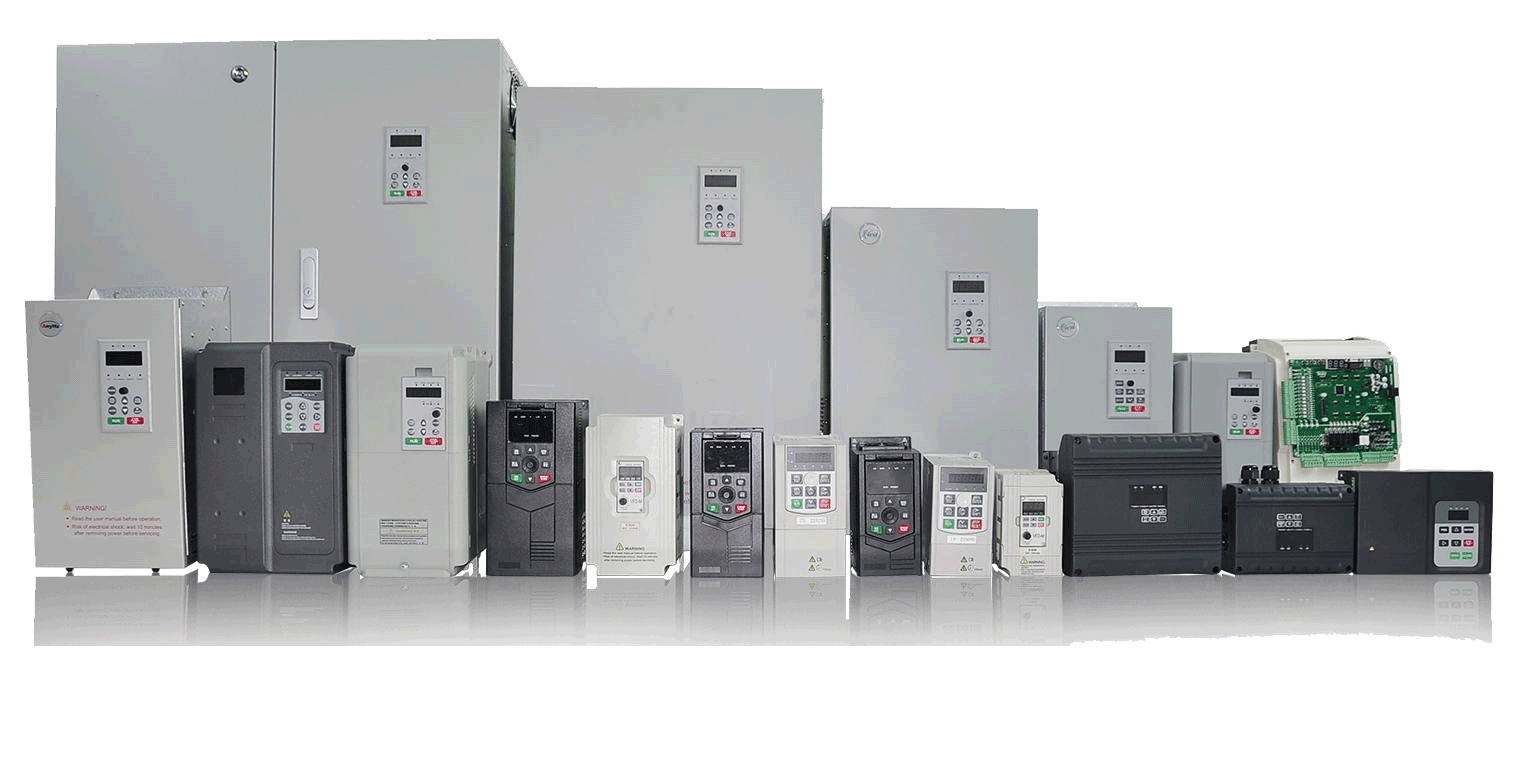
In the world of industrial automation and mechanical engineering, the ability to control the speed and torque of an electric motor is a fundamental requirement for efficiency and longevity. This control is primarily achieved through a device known as a frequency converter, also commonly referred to as a variable frequency drive or VFD. Whether you are managing a complex HVAC system, a high-speed conveyor belt, or a heavy-duty industrial pump, the Visicomm Industries frequency converter acts as the brain of the operation, ensuring that the motor consumes only the energy it needs for the task at hand. However, choosing the right converter is not a one-size-fits-all process. Selecting the wrong unit can lead to poor performance, increased energy costs, and even catastrophic equipment failure. To make an informed decision, you must evaluate a variety of technical factors ranging from load characteristics to environmental conditions.
Evaluating Control Methods and Performance Needs
Once the physical requirements of the motor are established, the next step is to determine the level of control precision your application demands. Most modern frequency converters offer at least three primary control modes: volts per hertz, sensorless vector control, and closed-loop vector control. A volt per hertz is the most basic and cost-effective method, ideal for simple applications like fans where precise speed regulation is not critical. However, this method struggles at very low speeds because it cannot accurately compensate for the internal resistance of the motor.
For applications requiring high torque at low speeds or better speed regulation, sensorless vector control is the preferred choice. This method uses complex mathematical models to estimate the motor’s magnetic flux and torque, providing much tighter control without the need for external sensors. If your application involves high-precision positioning or requires full torque at zero speed, such as an elevator or a sophisticated crane system, closed-loop vector control is necessary. This requires an encoder or tachometer mounted on the motor to provide constant feedback to the converter, ensuring that the actual speed perfectly matches the commanded speed under all conditions.
Harmonics and Power Quality Issues
Frequency converters operate by rapidly switching power on and off to create a simulated AC waveform. While highly efficient, this process creates electrical noise known as harmonics, which can feed back into the power grid and interfere with other sensitive electronics or cause overheating in transformers. When choosing a converter, you should investigate whether it includes built-in harmonic mitigation, such as DC link chokes or AC line reactors. In some jurisdictions or specific industries, you may be required to meet strict power quality standards, which might necessitate the addition of external filters or the use of an active front-end converter.
Another power quality concern is the “long lead” effect. If the distance between the frequency converter and the motor is significant—typically more than fifty feet—high-frequency voltage spikes can occur at the motor terminals. These spikes can eventually break down the motor’s insulation, leading to a short circuit. If your application requires a long cable run, you should look for converters that support output filters or dV/dt filters to smooth the voltage transitions and protect the motor’s longevity.
Integration, Communication, and User Interface
In the era of the Industrial Internet of Things, a frequency converter is rarely an isolated island of automation. You must ensure that the converter can communicate with your existing control systems, such as a Programmable Logic Controller or a Building Management System. Most modern drives support standard communication protocols like Modbus, Ethernet/IP, or Profibus. Choosing a converter that integrates seamlessly with your existing network will simplify installation, data logging, and remote troubleshooting.
The user interface is another practical consideration. A drive with a clear, backlit display and a logical menu structure can save hours of frustration during the initial commissioning phase. Some converters now offer Bluetooth connectivity or USB ports, allowing technicians to program the units via a smartphone or laptop. This capability is particularly useful when the drive is mounted in a cramped or hard-to-reach location. Additionally, look for “self-tuning” features where the drive can automatically measure the motor’s characteristics, significantly reducing the setup time.
Conclusion
Choosing the best frequency converter is a multifaceted process that requires a balance between technical specifications, environmental constraints, and budgetary realities. By carefully matching the drive to the motor’s current draw, understanding the torque characteristics of your load, and accounting for the physical environment, you ensure a system that is both reliable and energy-efficient.
About the Author