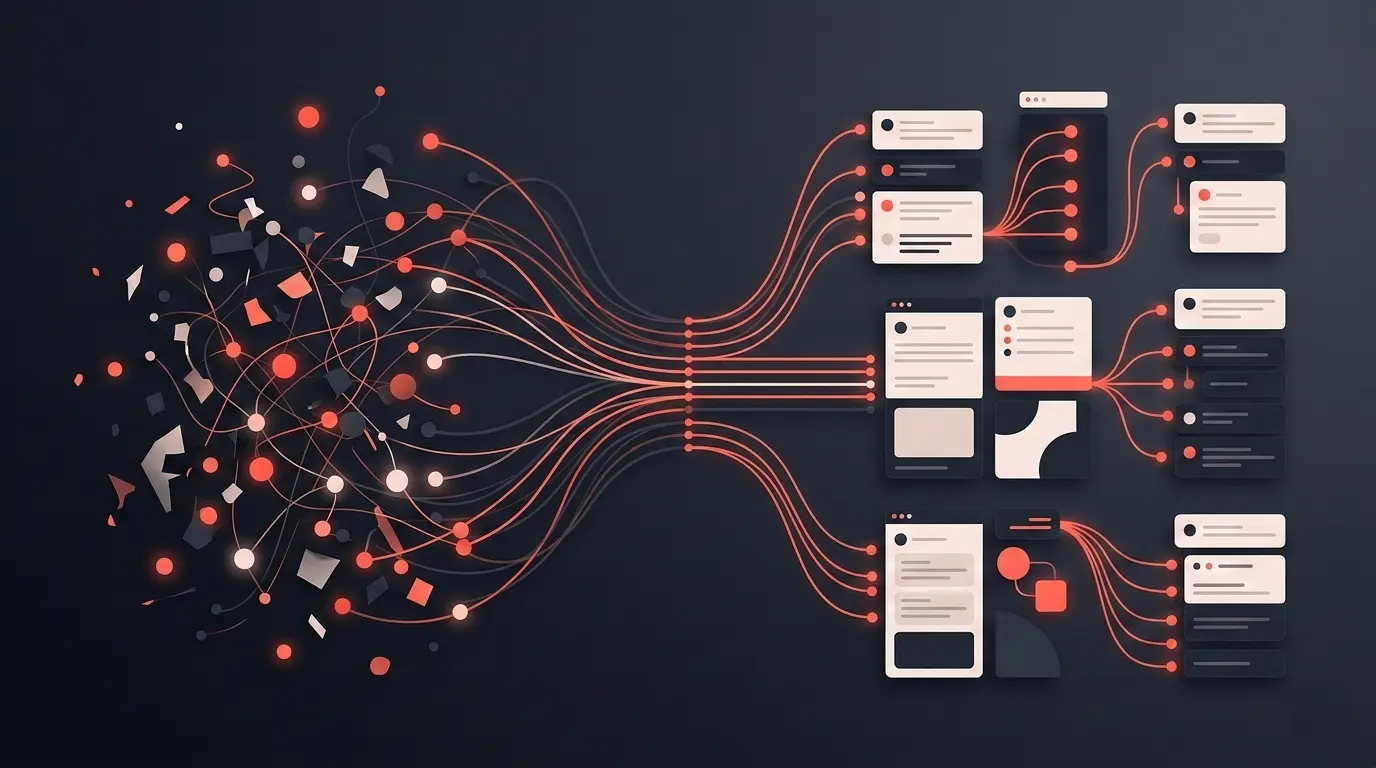
Smart Technology Trends Revolutionizing Daily Life modern life is undergoing a quiet yet powerful transformation driven by digital intelligence embedded into everyday environments. The emergence of smart tech trends reflects a shift from standalone devices to interconnected ecosystems that anticipate needs, respond to behavior, and optimize daily routines. This evolution is not dramatic in appearance but profound in impact. Homes, workplaces, and cities are becoming increasingly responsive, where systems communicate seamlessly and operate with minimal human intervention. The integration of sensors, data analytics, and machine learning has turned ordinary environments into adaptive spaces that learn and improve over time. Each advancement contributes to a growing fabric of intelligence woven into the structure of daily living, subtly reshaping how tasks are performed and decisions are made.

Smart Homes and Adaptive Living Environments
One of the most visible transformations in daily life is the rise of smart home technology. These systems integrate lighting, climate control, security, and entertainment into a unified digital ecosystem. Devices communicate with one another, adjusting settings based on user behavior and environmental conditions. Lighting systems can adapt to natural daylight patterns, while thermostats optimize temperature for both comfort and energy efficiency. Security systems now utilize facial recognition and real time monitoring to enhance safety. These innovations create living environments that are not only convenient but also highly efficient. The home becomes an intelligent entity, capable of anticipating needs and responding proactively, reducing manual effort while enhancing comfort and control.
Wearable Technology and Personal Intelligence
Wearable devices have become an essential component of modern digital lifestyles. From smartwatches to health monitoring sensors, these tools provide continuous feedback on physical activity, heart rate, sleep patterns, and overall wellness. This constant stream of data enables individuals to make informed decisions about their health and lifestyle. Some advanced devices now incorporate predictive analytics, offering early warnings for potential health issues. The integration of biometric data with mobile applications creates a personalized digital ecosystem that supports proactive well being. These technologies are transforming healthcare from a reactive model into a preventive and highly individualized system, where users gain deeper insight into their own biological rhythms.
Artificial Intelligence in Daily Decision Making
Artificial intelligence is increasingly embedded into everyday applications, influencing how people navigate tasks, consume information, and make decisions. Digital assistants manage schedules, recommend content, and automate routine activities. Machine learning algorithms analyze user preferences to deliver personalized experiences across platforms. This subtle integration of intelligence simplifies complex processes and enhances efficiency in daily routines. AI driven systems are also being used in navigation, finance management, and communication tools, streamlining interactions and reducing cognitive load. The result is a more intuitive digital environment where technology adapts to human behavior rather than requiring adaptation from the user.
Smart Transportation and Mobility Evolution
Transportation systems are undergoing a significant transformation through the integration of smart technologies. Connected vehicles, real time traffic analysis, and autonomous driving systems are reshaping how people move through urban and rural environments. Navigation platforms now use predictive algorithms to suggest optimal routes based on traffic patterns, weather conditions, and historical data. Electric vehicles are becoming more prevalent, supported by intelligent charging infrastructure that optimizes energy usage. Ride sharing platforms utilize data driven matching systems to improve efficiency and reduce congestion. These advancements are creating a more fluid and responsive transportation network that enhances mobility while reducing environmental impact.
Digital Workspaces and Intelligent Productivity Tools
The modern workplace is increasingly defined by digital collaboration and intelligent productivity systems. Cloud based platforms enable seamless communication and file sharing across global teams. Artificial intelligence assists in scheduling, document analysis, and workflow automation, reducing administrative burden. Virtual meeting technologies have evolved to include real time transcription, language translation, and collaborative digital environments. These tools are enabling more flexible work structures, allowing individuals to operate efficiently from virtually any location. The integration of smart systems into professional environments is enhancing productivity while fostering greater adaptability in organizational structures.
Urban Innovation and Connected Cities
Cities are becoming more intelligent through the deployment of interconnected digital infrastructure. Smart traffic systems regulate vehicle flow to reduce congestion, while energy grids optimize distribution based on real time demand. Public services are increasingly digitized, allowing residents to access information and resources more efficiently. Environmental monitoring systems track air quality, noise levels, and energy consumption to support sustainable urban planning. These innovations are transforming urban centers into responsive ecosystems that adapt dynamically to population needs. The result is a more efficient, sustainable, and livable urban environment shaped by continuous data exchange and intelligent analysis.
The Continuous Integration of Intelligent Living
The evolution of digital ecosystems continues to redefine the structure of everyday life in subtle yet powerful ways. Within this expanding landscape, smart tech trends serve as the foundation for a new era of connected living, where intelligence is embedded into the fabric of daily experiences. These advancements are not isolated innovations but interconnected systems that influence how individuals interact with their environment, manage tasks, and make decisions. As technology continues to evolve, the boundary between digital systems and human life becomes increasingly fluid, creating a future defined by seamless integration, adaptive intelligence, and enhanced everyday functionality.
About the Author