Introduction & Background
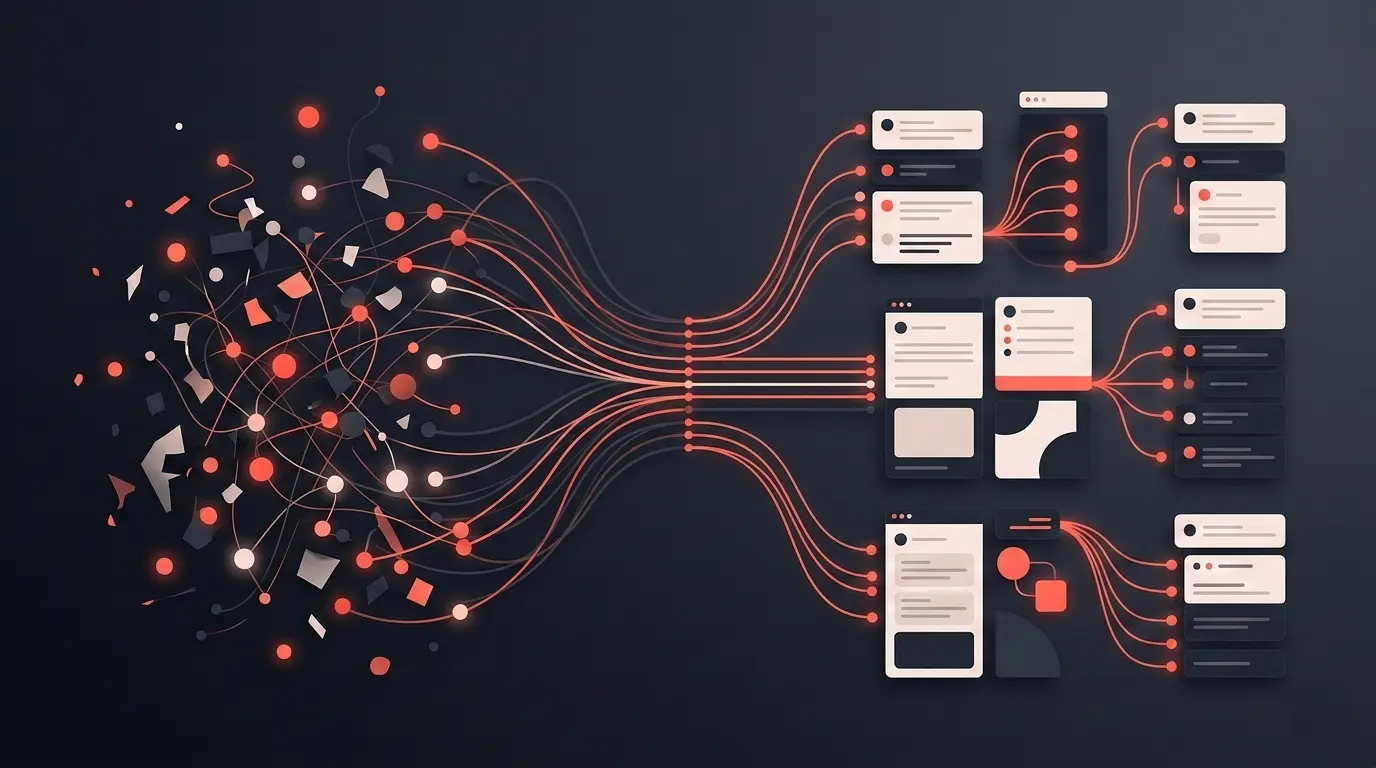
In today’s fast-moving world, computer innovation stands as the driving force behind nearly every major advancement we see. From artificial intelligence to quantum computing, these breakthroughs are not just changing the way we work or interact but are fundamentally reshaping the very fabric of our future. The significance of this transformation cannot be overstated, as it influences industries, economies, and daily life in ways that were once only imaginable in science fiction. As we stand on the brink of a new technological era, understanding the trajectory of computer innovation becomes essential for businesses, policymakers, and individuals alike.
Concept & Overview
Computer innovation refers to the continuous development and integration of advanced technologies that enhance computing power, efficiency, and capabilities. At its core, it involves the creation of smarter systems, faster processors, and more intuitive software that can solve complex problems with greater precision. This evolution is fueled by breakthroughs in fields such as machine learning, cloud computing, and edge computing, each contributing to a more interconnected and intelligent digital ecosystem. The ultimate goal of these innovations is to make technology more accessible, reliable, and adaptable to the ever-changing needs of society.
Key Features & Highlights
- Artificial Intelligence and Machine Learning: AI and ML are at the forefront of computer innovation, enabling systems to learn from data, make predictions, and automate tasks with minimal human intervention. These technologies power everything from virtual assistants to autonomous vehicles.
- Quantum Computing: Quantum computers leverage the principles of quantum mechanics to perform calculations at speeds unattainable by classical computers. This technology holds the potential to revolutionize fields like cryptography, drug discovery, and climate modeling.
- Edge Computing: Unlike traditional cloud computing, edge computing processes data closer to where it is generated. This reduces latency, improves response times, and enhances real-time decision-making, which is critical for applications like IoT devices and smart cities.
- Cloud-Native Technologies: The shift toward cloud-native architectures allows businesses to build, deploy, and scale applications more efficiently. Containers, microservices, and serverless computing are key components of this trend.
- Human-Computer Interaction (HCI): Advances in HCI are making technology more intuitive and user-friendly. Innovations like voice recognition, gesture controls, and augmented reality interfaces are bridging the gap between humans and machines.
Frequently Asked Questions / Pros & Cons
What are the biggest challenges facing computer innovation today?
One of the primary challenges is cybersecurity, as the increasing interconnectedness of systems creates more vulnerabilities. Additionally, the rapid pace of technological change can lead to skills gaps, where the workforce struggles to keep up with new tools and methodologies. Ethical concerns, such as data privacy and the misuse of AI, also pose significant hurdles that need to be addressed.
Pros and Cons of adopting quantum computing
- Pros:
- Exponential speed improvements for complex calculations.
- Potential to solve problems currently deemed unsolvable, such as optimizing large-scale systems.
- Revolutionizing industries like pharmaceuticals, finance, and logistics.
- Cons:
- Extremely high costs and specialized infrastructure requirements.
- Limited availability and accessibility, with only a few organizations currently able to utilize quantum computers.
- Uncertainty surrounding long-term stability and error correction methods.
How can businesses stay ahead in the era of rapid computer innovation?
Businesses can stay ahead by fostering a culture of continuous learning and adaptability. Investing in employee training programs, partnering with tech startups, and embracing agile methodologies are all effective strategies. Additionally, keeping a close eye on emerging trends and collaborating with academic institutions can provide early insights into the next wave of innovation.
Is AI going to replace human jobs entirely?
While AI will automate many tasks, it is unlikely to replace human jobs entirely. Instead, AI is more likely to augment human capabilities, allowing workers to focus on higher-value activities that require creativity, emotional intelligence, and complex problem-solving. The key lies in reskilling the workforce to thrive alongside these technological advancements.
Practical Guidance & Solutions
To navigate the rapidly evolving landscape of computer innovation, organizations and individuals should adopt a proactive and strategic approach. Start by assessing current technological capabilities and identifying areas where advancements can drive the most value. Implementing a robust cybersecurity framework is crucial to protect against emerging threats. For businesses, exploring partnerships with technology providers or participating in industry consortia can offer access to cutting-edge tools and expertise. On a personal level, staying informed through reputable sources, attending workshops, and pursuing certifications in relevant fields can help maintain a competitive edge in the job market.
Conclusion
The future of computer innovation is not just about faster processors or smarter algorithms. It is about reimagining what is possible and unlocking new opportunities that can transform societies, economies, and lives. As we harness the power of these technologies, it is essential to approach innovation with responsibility, foresight, and a commitment to inclusivity. By doing so, we can ensure that the benefits of computer innovation are shared widely and that the future we build is one that is brighter, more equitable, and full of potential. The journey ahead is exciting, and with the right mindset and actions, we can all be part of shaping a tomorrow that exceeds our wildest dreams.
About the Author