Introduction & Background
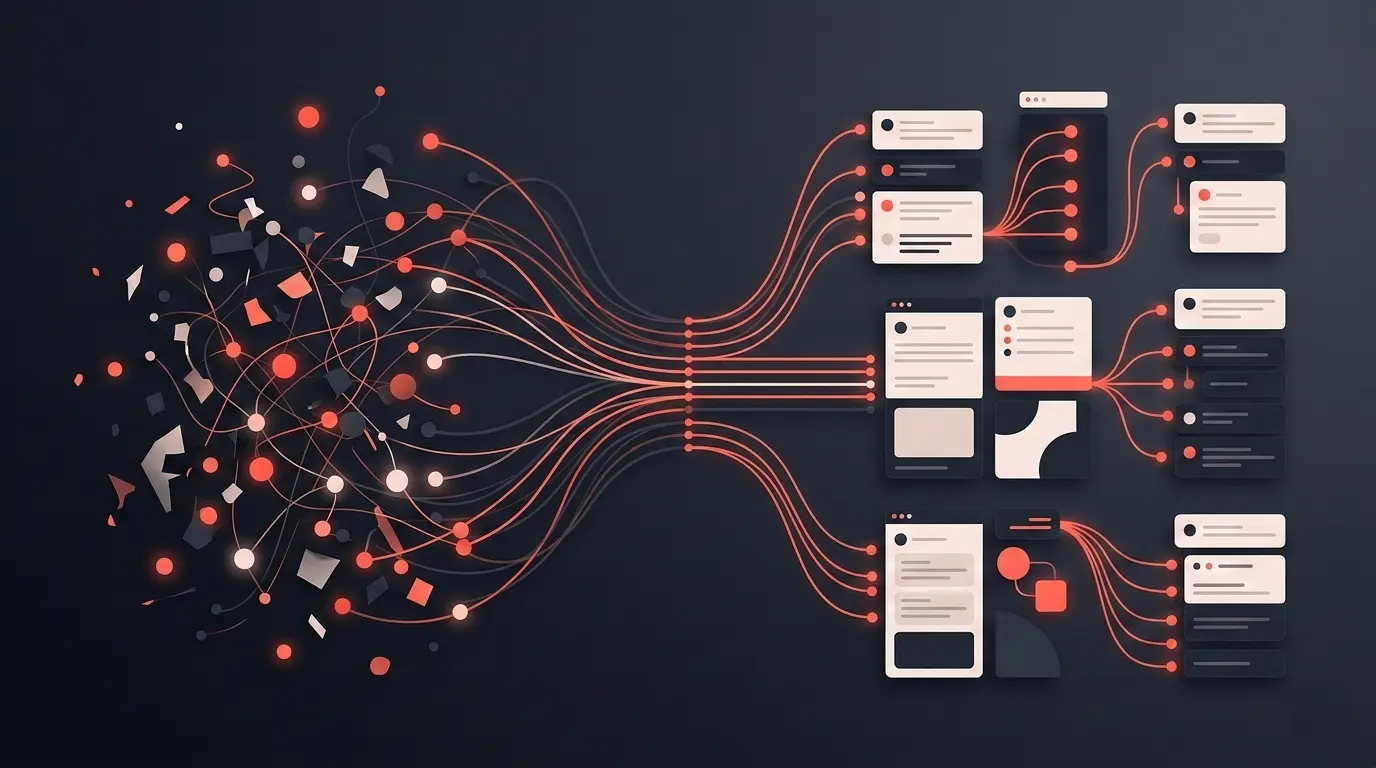
In recent years, artificial intelligence (AI) has transformed the way businesses interact with customers, leading to a new era of personalized digital experiences. AI-powered personalization uses advanced algorithms and machine learning to analyze vast amounts of user data, delivering tailored content, recommendations, and services in real time. This shift is not just a trend but a fundamental change in how brands engage with their audiences. With consumers expecting more relevant and timely interactions, companies are leveraging AI to meet these demands efficiently. The rise of AI-powered personalization is reshaping industries, from e-commerce and entertainment to healthcare and finance, making every digital touchpoint more meaningful and impactful.
Concept & Overview
AI-powered personalization refers to the use of artificial intelligence technologies to customize user experiences based on individual preferences, behaviors, and past interactions. At its core, this approach relies on data collection, pattern recognition, and predictive analytics to understand what each user values most. Unlike traditional one-size-fits-all marketing, AI-driven personalization dynamically adjusts recommendations, content, and services to align with the unique needs of each customer. This is achieved through techniques such as natural language processing, recommendation engines, and deep learning, which enable systems to learn and adapt over time. The ultimate goal is to create seamless, intuitive, and highly relevant experiences that foster customer loyalty and drive business growth.
Key Features & Highlights
- Real-Time Data Processing: AI systems analyze user behavior in real time, allowing for instant adjustments to recommendations and content delivery.
- Predictive Analytics: By examining historical data and trends, AI can forecast future user preferences, enabling proactive personalization.
- Behavioral Segmentation: Users are grouped based on their actions, such as browsing history or purchase patterns, to tailor experiences accordingly.
- Natural Language Understanding: AI interprets user queries and conversations, enabling chatbots and virtual assistants to provide contextually relevant responses.
- Dynamic Content Generation: AI creates personalized emails, ads, and web pages by dynamically modifying elements to suit individual users.
- Cross-Channel Consistency: Personalization is maintained across multiple platforms, such as websites, mobile apps, and social media, ensuring a unified experience.
- Continuous Learning: AI models improve over time as they gather more data, refining their understanding of user preferences and behaviors.
Frequently Asked Questions / Pros & Cons
What makes AI-powered personalization different from traditional personalization?
Traditional personalization relies on static rules and manual segmentation, often limited to basic demographic data. AI-powered personalization, on the other hand, uses machine learning to analyze complex patterns and adapt in real time. This allows for more nuanced and accurate customization based on individual behaviors rather than broad assumptions.
What are the main benefits of using AI for personalization?
AI-powered personalization enhances customer engagement by delivering relevant content at the right moment. It increases conversion rates, improves customer retention, and boosts overall satisfaction. Businesses also benefit from higher efficiency, as AI automates the process of understanding user needs, reducing the need for manual intervention.
Are there any drawbacks to AI-powered personalization?
One common concern is data privacy, as personalization requires collecting and analyzing large amounts of user data. Ensuring compliance with regulations like GDPR is essential. Additionally, over-reliance on AI can lead to overly predictable or generic experiences if not properly managed. Ethical considerations, such as avoiding bias in recommendations, also pose challenges that need to be addressed.
How does AI ensure the privacy of user data?
AI systems must be designed with privacy in mind, using techniques such as anonymization, encryption, and strict access controls. Companies should be transparent about data collection practices and give users control over their preferences. Compliance with data protection laws and the use of ethical AI frameworks help mitigate privacy risks while delivering personalized experiences.
Practical Guidance & Solutions
To successfully implement AI-powered personalization, businesses should start by identifying their goals and the key touchpoints where personalization will have the most impact. Collecting high-quality, relevant data is crucial, as is ensuring that AI models are trained on diverse and representative datasets to avoid bias. Investing in the right technology, such as customer data platforms (CDPs) and AI-driven analytics tools, can streamline the process. It is also important to test and refine personalization strategies regularly, using A/B testing to measure effectiveness.
Training teams on AI tools and data literacy will help bridge the gap between technical and non-technical staff. Collaboration between marketing, IT, and data science teams ensures that personalization efforts are aligned with broader business objectives. Finally, maintaining a balance between automation and human oversight is key, as human judgment can help refine AI-driven decisions and address ethical concerns.
Conclusion
The rise of AI-powered personalization marks a significant milestone in the evolution of digital experiences. By harnessing the power of AI, businesses can create deeper connections with their customers, delivering content and services that feel tailor-made for each individual. While challenges such as data privacy and ethical considerations remain, the benefits of personalization are undeniable. As technology continues to advance, AI-driven personalization will become even more sophisticated, setting new standards for customer engagement. For companies looking to thrive in the digital age, embracing AI-powered personalization is not just an option but a necessity to stay competitive and relevant in an increasingly crowded marketplace.
About the Author