Introduction & Background
In the ever-evolving landscape of technology, a quiet revolution is taking place in the world of music. Computers, once mere tools for calculation and data processing, are now stepping into the role of composers, crafting melodies that resonate with human emotions and creativity. This transformation is not just a fleeting trend but a fundamental shift in how we understand music and its creation. The fusion of artificial intelligence and machine learning with musical composition is giving birth to a new era, often referred to as algorithmic composition. As we stand on the brink of this technological symphony, it is essential to explore how computers are not only mimicking human creativity but also pushing the boundaries of what music can be. This article delves into the fascinating world where silicon meets symphony, uncovering the mechanisms, impacts, and future possibilities of computer-generated music.
Concept & Overview
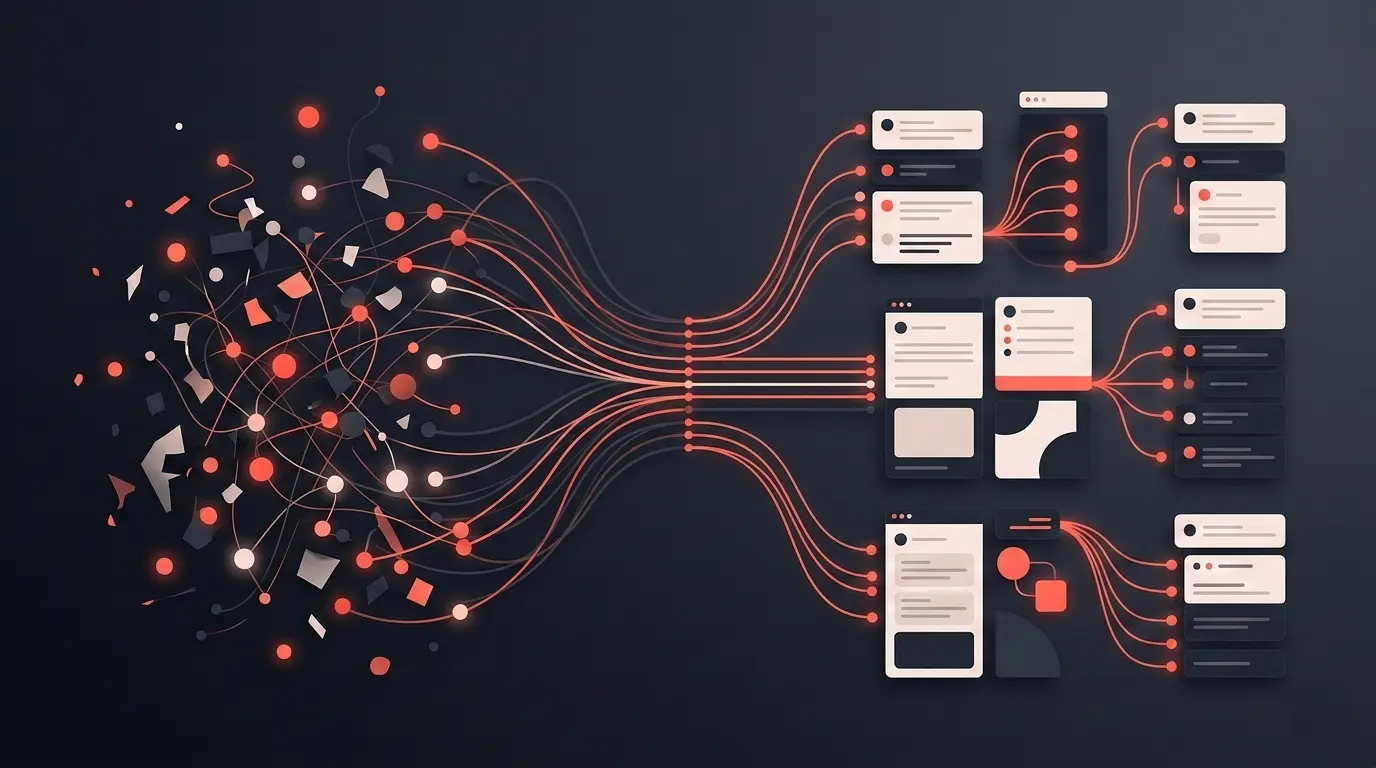
At its core, computer-generated music involves the use of algorithms and artificial intelligence to compose, arrange, and even perform musical pieces. These systems analyze vast datasets of existing music, identify patterns, and generate new compositions that adhere to learned stylistic and structural rules. The process begins with data collection, where computers ingest thousands of songs across genres, extracting features such as melody, harmony, rhythm, and tempo. Machine learning models, particularly those based on neural networks, then process this data to recognize intricate patterns and relationships. Once trained, these models can produce original compositions that closely resemble human-made music or even explore entirely new musical territories. The beauty of this approach lies in its ability to combine precision with creativity, offering a collaborative platform where humans and machines co-create. This concept challenges traditional notions of authorship and creativity, raising intriguing questions about the role of the artist in the age of AI.
Key Features & Highlights
- Data-Driven Composition: Computers rely on extensive datasets of musical works to learn patterns, styles, and structures. By analyzing these datasets, algorithms can identify what makes a piece of music appealing and generate new works that align with those principles.
- Real-Time Generation: Modern AI systems can compose music in real-time, adapting to user inputs or environmental factors. This capability is particularly useful in interactive applications, such as video games or live performances, where dynamic music creation enhances the user experience.
- Emotional Resonance: Advanced AI models are designed to recognize and evoke emotions through music. By understanding the relationship between musical elements and emotional responses, these systems can craft pieces that resonate with listeners on a deeper level.
- Customization & Personalization: Unlike traditional music, which is often static, computer-generated music can be tailored to individual preferences. Users can specify moods, genres, or even specific instruments, allowing for a highly personalized listening experience.
- Collaborative Potential: AI composition tools serve as powerful collaborators for human musicians. They can suggest melodies, harmonies, or rhythms, enabling artists to overcome creative blocks and explore new ideas. This partnership fosters a synergy between human intuition and machine precision.
- Accessibility & Democratization: With AI-powered tools, music composition becomes accessible to a broader audience. People without formal training can create complex musical pieces, democratizing the art of music-making and fostering inclusivity in the creative process.
Frequently Asked Questions / Pros & Cons
Is computer-generated music truly original, or is it just mimicking existing styles?
The question of originality in computer-generated music is complex. While AI systems are trained on existing musical works, they can produce compositions that do not directly replicate any single piece. Instead, they combine elements from multiple sources to create something new. However, the extent to which these works are “original” depends on how one defines the term. If originality implies a complete departure from all prior influences, then AI-generated music may not meet that standard. Yet, in practice, even human composers draw from their experiences and the music they have heard, making AI’s process not entirely dissimilar to human creativity.
What are the main advantages of using AI for music composition?
- Speed and Efficiency: AI can generate musical ideas almost instantaneously, allowing composers to focus on refining and selecting the best options. This accelerates the creative process and reduces the time spent on repetitive tasks.
- Exploration of New Styles: AI can analyze and combine diverse musical styles, leading to the creation of hybrid genres that might not emerge from human experimentation alone. This opens up new avenues for artistic expression.
- Consistency: Unlike human composers, AI can maintain a consistent output over long periods without fatigue or creative blocks. This reliability is particularly valuable in industries such as film scoring or advertising, where deadlines are critical.
- Cost-Effectiveness: For independent artists and small studios, AI tools offer an affordable alternative to hiring composers or purchasing expensive software. Many AI composition platforms are available at low or no cost, making them accessible to a wider audience.
Are there any limitations or ethical concerns associated with AI music?
- Lack of Emotional Depth: While AI can mimic emotional cues, some critics argue that it lacks the genuine emotional experiences that human composers bring to their work. This can result in music that feels formulaic or superficial.
- Copyright and Ownership: The legal landscape surrounding AI-generated music is still evolving. Questions about who owns the rights to a composition, the developer of the AI, the user who prompted it, or the AI itself, remain unanswered. This uncertainty can lead to disputes and challenges in the industry.
- Over-Reliance on Algorithms: There is a risk that widespread use of AI in music could lead to a homogenization of styles, where music becomes formulaic and loses its diversity. This could stifle innovation and reduce the richness of cultural expression.
- Ethical Considerations: Some artists and industry professionals express concerns about job displacement. If AI becomes the primary tool for music composition, it could impact the livelihoods of human composers, arrangers, and musicians.
Practical Guidance & Solutions
For those interested in exploring the potential of AI in music composition, here are some actionable steps to get started:
Choosing the Right AI Tool
Not all AI composition tools are created equal. When selecting a platform, consider factors such as ease of use, customization options, and compatibility with your workflow. Popular tools like Amper Music, AIVA, and Soundraw offer user-friendly interfaces and a range of features tailored to different needs. Research each option thoroughly to find the one that best aligns with your goals.
Collaborating with AI
Think of AI as a creative partner rather than a replacement for human intuition. Use AI-generated ideas as a starting point, then refine and personalize the output to reflect your unique vision. Experiment with different prompts and parameters to guide the AI toward a direction that resonates with your artistic intent.
Addressing Ethical Concerns
To ensure ethical use of AI in music, be transparent about the role of AI in your creative process. If you are releasing AI-generated music, clearly disclose its origins to maintain trust with your audience. Additionally, support human artists by using AI tools to complement, rather than replace, their work. This approach fosters a balanced ecosystem where technology and humanity coexist harmoniously.
Continuous Learning and Adaptation
The field of AI music composition is rapidly evolving. Stay informed about the latest advancements by following industry blogs, attending workshops, and participating in online communities. Experiment with new tools and techniques to keep your skills sharp and your music fresh. Embrace a mindset of lifelong learning to fully leverage the potential of AI in your creative endeavors.
Conclusion
The rise of computer-generated music marks a pivotal moment in the history of art and technology. What began as a curiosity has grown into a powerful force that challenges our perceptions of creativity, authorship, and the very nature of music itself. The silicon symphony is not here to replace human composers but to collaborate with them, offering new tools and possibilities that were once unimaginable. As AI continues to evolve, it will undoubtedly shape the future of music in ways we are only beginning to understand. For artists, listeners, and technologists alike, this is an era of boundless opportunity. The question is no longer whether computers can compose music, but how we will harness this technology to enrich our lives and redefine the boundaries of artistic expression. In this symphony of silicon and soul, the future of music is not just being written, it is being composed, note by note, in real time.
About the Author