The Unseen Symphony: How Software Apps Orchestrate Our Digital Lives

The Unseen Symphony: How Software Apps Orchestrate Our Digital Lives
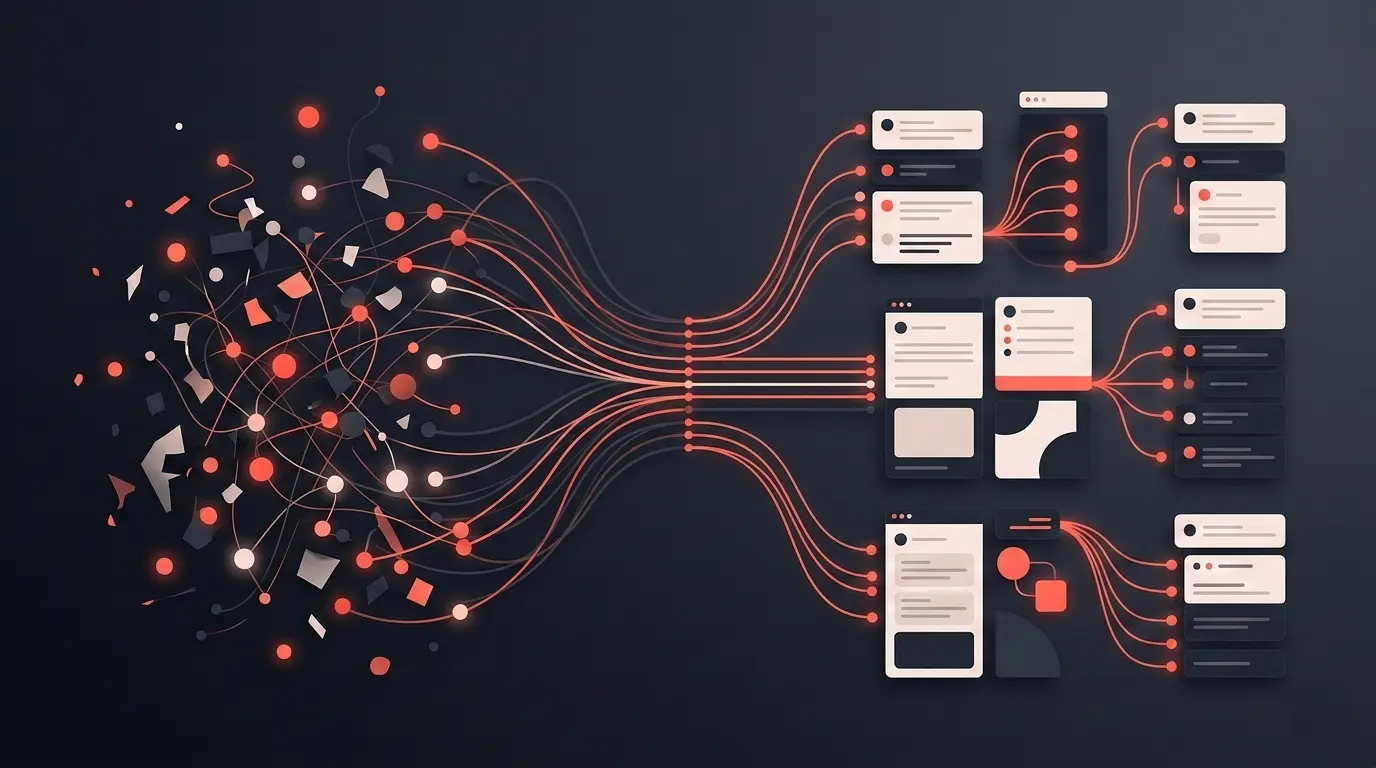
In the vast expanse of the digital age, we often move through our daily routines with a sense of autonomy, blissfully unaware of the intricate systems humming beneath the surface. Every tap, swipe, and click triggers a cascade of processes, seamlessly coordinated by software applications that act as silent conductors of our digital lives. These apps are far more than mere tools; they are the architects of our modern existence, shaping how we work, communicate, learn, and even perceive the world. Yet, their orchestration remains largely invisible, operating with a precision that rivals the most refined symphony. This article peels back the curtain to reveal the unseen harmony of software applications and how they weave together the fabric of our digital experiences.
The Digital Orchestra: Understanding the Players
At the heart of this symphony lies a diverse ensemble of software applications, each playing a distinct role in the grand composition of our digital lives. These applications can be broadly categorized into several key types, each contributing to the overall harmony:
- System Software: The unsung heroes in the background, including operating systems like Windows, macOS, and Linux. They manage hardware resources, provide a user interface, and enable other applications to run smoothly. Without them, the entire digital ecosystem would collapse into chaos.
- Application Software: These are the stars of the show—programs like web browsers, email clients, productivity suites (e.g., Microsoft Office, Google Workspace), and entertainment platforms (e.g., Netflix, Spotify). They are designed to fulfill specific user needs, transforming raw data into meaningful interactions.
- Middleware: The bridges that connect different applications and systems. Middleware handles data translation, communication protocols, and API integrations, ensuring that disparate software components can work together harmoniously. Think of it as the translator in a multilingual conversation.
- Embedded Systems: Invisible to most users, these are specialized software systems embedded in devices like smartphones, smart TVs, and IoT gadgets. They control the functionality of these devices, often operating in real-time and with minimal user intervention.
- Cloud Services: The backbone of modern digital infrastructure, cloud services provide scalable storage, computing power, and software-as-a-service (SaaS) solutions. Platforms like Amazon Web Services (AWS), Microsoft Azure, and Google Cloud enable applications to run efficiently without being tied to physical hardware.
Together, these players form a dynamic and interconnected network, each contributing to the seamless flow of digital experiences we often take for granted.
The Conductor’s Baton: How Apps Communicate and Collaborate
The magic of software applications lies not in their individual capabilities but in their ability to communicate and collaborate. This orchestration is made possible through a series of protocols, frameworks, and technologies that act as the conductor’s baton, guiding the performance:
- APIs (Application Programming Interfaces): APIs are the intermediaries that allow different software applications to interact with one another. They define the rules for requesting and exchanging data, enabling services like Google Maps to integrate seamlessly into ride-hailing apps or food delivery platforms.
- Web Services: Based on standards like SOAP (Simple Object Access Protocol) and REST (Representative State Transfer), web services facilitate communication over the internet. RESTful APIs, for example, use HTTP methods (GET, POST, PUT, DELETE) to enable applications to retrieve, update, or delete data from servers.
- Microservices Architecture: Modern applications often break down into smaller, independent services that communicate via APIs. This modular approach allows for greater flexibility, scalability, and resilience. For instance, a social media platform might use separate microservices for user authentication, content delivery, and notifications.
- Event-Driven Architecture: In this model, applications react to events (e.g., a user clicking a button or a sensor detecting motion) rather than following a linear sequence. This asynchronous communication enhances responsiveness and real-time interactions, as seen in chat applications or stock trading platforms.
- Containerization and Orchestration: Tools like Docker and Kubernetes enable applications to run in isolated environments (containers) and scale dynamically based on demand. These technologies ensure that applications remain stable and performant, even under heavy loads.
By leveraging these technologies, software applications create a symphony of interactions that feel instantaneous and effortless to the end user.
The Rhythm of User Experience: Designing for Harmony
A truly remarkable symphony is not just about technical precision; it’s also about the emotional resonance it creates. Similarly, the success of software applications hinges on their ability to deliver a harmonious user experience (UX). This involves a delicate balance of functionality, aesthetics, and usability:
- Intuitive Interfaces: Well-designed applications anticipate user needs and guide them effortlessly through their tasks. For example, a banking app with a clean layout and clear navigation reduces cognitive load, making financial management less stressful.
- Performance Optimization: Speed and responsiveness are critical to user satisfaction. Applications that load quickly and operate smoothly—whether on a high-end desktop or a budget smartphone—ensure a seamless experience. Techniques like lazy loading, caching, and efficient coding practices play a vital role here.
- Accessibility: A symphony is inclusive, and so should be a digital experience. Applications must be designed to accommodate users with diverse abilities, whether through screen reader compatibility, keyboard navigation, or adjustable text sizes. Standards like WCAG (Web Content Accessibility Guidelines) provide a framework for inclusive design.
- Personalization: Modern applications often use data-driven insights to tailor experiences to individual users. Streaming services like Spotify or Netflix analyze listening and viewing habits to recommend content, creating a sense of connection and relevance.
- Feedback Loops: Interactive elements, such as animations, sound cues, or progress indicators, provide users with feedback, reinforcing their actions and enhancing engagement. A well-placed notification or a satisfying “click” sound can make an application feel more responsive and alive.
When these elements come together, they create an experience that feels not just functional but almost magical—where technology dissolves into the background, and the user’s needs take center stage.
The Dark Side of the Symphony: Challenges and Ethical Considerations
Every symphony has its dissonant notes, and the digital orchestra is no exception. While software applications have revolutionized our lives, they also present significant challenges and ethical dilemmas that demand our attention:
- Privacy and Data Security: The seamless flow of data that powers our digital experiences often comes at the cost of personal privacy. Applications collect vast amounts of user data, raising concerns about surveillance, data breaches, and misuse. The Cambridge Analytica scandal and the rise of ad-tracking technologies are stark reminders of the ethical pitfalls in the digital world.
- Algorithmic Bias: Software applications rely on algorithms to make decisions, from recommending content to approving loans. However, these algorithms can perpetuate biases present in their training data, leading to discriminatory outcomes. For example, facial recognition software has been shown to perform poorly on certain demographic groups, highlighting the need for fairness and transparency in AI-driven applications.
- Digital Addiction: The very mechanisms that make applications engaging—such as infinite scroll, push notifications, and gamification—can also lead to compulsive usage. Social media platforms and gaming apps are designed to hijack our attention, raising concerns about mental health and productivity.
- Monopolization and Centralization: A handful of tech giants dominate the software landscape, controlling everything from operating systems to cloud services. This monopolization can stifle innovation, limit competition, and create single points of failure that threaten the stability of the digital ecosystem.
- Environmental Impact: The energy consumption of data centers, which power cloud services and applications, contributes significantly to carbon emissions. As digital dependency grows, so does the environmental footprint of our software-driven lives, necessitating a shift toward sustainable computing practices.
Addressing these challenges requires a collective effort from developers, policymakers, and users alike. By prioritizing ethical design, transparency, and accountability, we can ensure that the symphony of software applications remains harmonious rather than discordant.
The Future Symphony: Trends Shaping the Next Movement
The digital symphony is far from static; it is an evolving masterpiece, continuously shaped by emerging technologies and shifting paradigms. Several trends are poised to redefine the way software applications orchestrate our lives in the coming years:
- Artificial Intelligence and Machine Learning: AI is becoming the new conductor, automating complex tasks and enabling applications to learn and adapt. From chatbots that provide customer support to predictive algorithms that optimize supply chains, AI is infusing software with a new level of intelligence and autonomy.
- Edge Computing: Instead of relying solely on centralized cloud servers, edge computing processes data closer to where it is generated (e.g., on IoT devices or local servers). This reduces latency, enhances privacy, and enables real-time applications, such as autonomous vehicles or augmented reality experiences.
- Blockchain and Decentralization: Blockchain technology is challenging the centralized models of traditional software applications. By enabling decentralized networks, blockchain can reduce reliance on intermediaries, enhance security, and give users greater control over their data. Cryptocurrencies, smart contracts, and decentralized apps (DApps) are just the beginning.
- Quantum Computing: Though still in its infancy, quantum computing promises to revolutionize the way we process information. With the ability to solve complex problems exponentially faster than classical computers, quantum computing could unlock new possibilities in fields like drug discovery, cryptography, and optimization.
- Human-Computer Integration: The boundaries between humans and machines are blurring with advancements in brain-computer interfaces (BCIs) and wearable technologies. Applications may soon be able to interpret neural signals, enabling direct communication between the human brain and software systems. This could redefine accessibility, enhance cognitive abilities, and open new frontiers in human-computer collaboration.
As these trends unfold, the symphony of software applications will grow richer, more intricate, and more deeply intertwined with every aspect of our lives. The challenge will be to harness these innovations responsibly, ensuring that they serve humanity rather than subjugate it.
Conclusion: The Symphony Continues
The unseen symphony of software applications is a testament to human ingenuity, creativity, and relentless innovation. From the silent hum of system software to the dazzling performance of AI-driven applications, these digital maestros orchestrate the rhythm of our modern lives. Yet, their power is a double-edged sword—capable of elevating our existence while also posing profound ethical and societal challenges.
As we move forward, it is imperative to approach this symphony with mindfulness and responsibility. Developers must prioritize ethical design, users must remain vigilant about their digital footprint, and policymakers must create frameworks that foster innovation while safeguarding privacy and fairness. By doing so, we can ensure that the unseen symphony remains a harmonious force, enriching our lives without overwhelming them.
The future of software applications is not just about technological advancement; it is about creating a digital ecosystem that reflects our values, respects our rights, and enhances our collective well-being. As the conductor’s baton continues to guide us, let us strive to compose a symphony that resonates with purpose, harmony, and humanity.
About the Author