The New Reality of Recruitment
Gone are the days when a handshake and a one-page resume were enough to secure a job. In 2025, the modern employer faces a paradox: there are more applicants per role than ever before, yet finding the right candidate feels like searching for a needle in a digital haystack. Resumes lie. References are curated. But the internet rarely forgets.
This is why social media vetting has moved from a “nice to have” to an essential component of the modern hiring toolkit. By observing how a candidate behaves online – how they communicate, what they share, and who they interact with – employers gain a raw, unfiltered view of professional character that no interview can replicate.
However, with great power comes great legal responsibility. Understanding both the value and the limitations of these techniques is the difference between hiring a superstar and facing a lawsuit.
Why Traditional Screening Falls Short
The average corporate job opening attracts over 250 resumes. Of those, 85% contain inaccuracies or exaggerations, according to industry studies. A structured interview assesses preparation, not authenticity. Reference checks are often useless because former employers fear defamation claims.
Social media vetting fills this critical gap. It answers questions a resume never can:
- Does this candidate badmouth previous employers publicly?
- Do they exhibit bias, racism, or harassment patterns online?
- Are they truly a thought leader, or do they just repost memes?
- Would they embarrass your brand if hired?
When used ethically, reviewing public profiles helps you hire for cultural contribution, not just technical competence. It protects your workplace from toxic personalities who interview well but behave poorly.
The Rise of Automated Vetting Tools
Manually scrolling through Facebook, X (formerly Twitter), Instagram, and LinkedIn is time-prohibitive. An average recruiter spends only seven seconds reviewing a resume; they cannot afford 20 minutes per candidate on social sleuthing. This is where technology steps in.
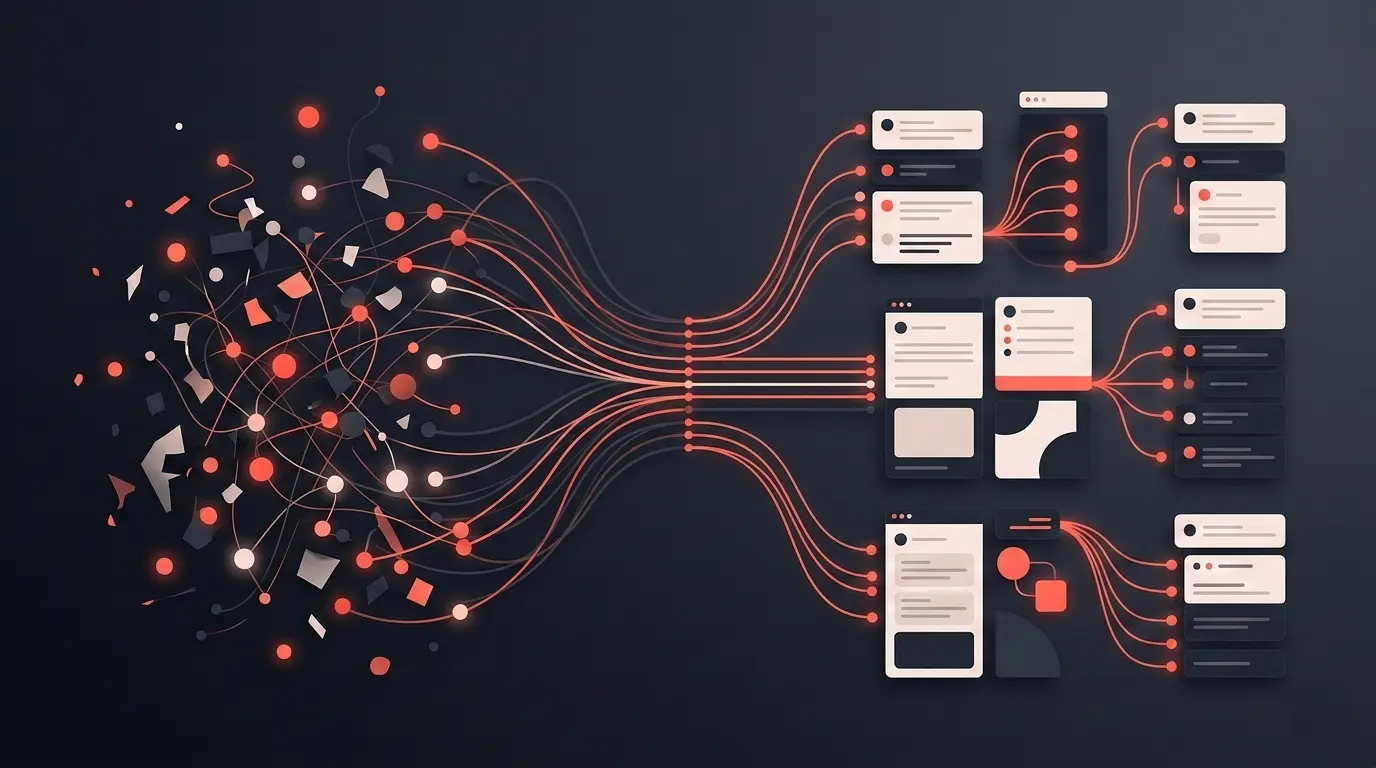
Enter Socialprofiler. This platform automates the heavy lifting of social media vetting by aggregating public social data into actionable behavioral scores. It flags high-risk language, measures professionalism, and identifies political or ideological extremism that could disrupt team cohesion. For HR teams juggling hundreds of applicants, Socialprofiler offers efficiency and consistency.
But here is the non-negotiable warning that every user must memorize.
The FCRA Boundary: Read This Carefully
Socialprofiler is not FCRA-compliant and must not be promoted for employment background checks, tenant screening or housing-related decisions, credit decisions or any other use covered under the Fair Credit Reporting Act.
Let us spell out exactly what this means for your hiring process. The Fair Credit Reporting Act (FCRA) is a federal law that regulates how consumer reporting agencies collect and use information to make decisions about employment, housing, and credit. To be FCRA-compliant, a tool must allow candidates to dispute inaccuracies, provide pre-adverse action notices, and adhere to strict data accuracy standards.
Socialprofiler does not meet these standards. Therefore, you cannot use this product to make an adverse hiring decision (i.e., rejecting a candidate) if that decision relies on the Socialprofiler report. Similarly, you cannot use it to deny someone a lease, a loan, or a promotion.
The Compliant Way to Use Social Media Vetting
Just because Socialprofiler cannot serve as a formal background check does not mean it is useless. In fact, smart HR teams use it as a preliminary indicator or a post-offer cultural validation tool. Here is how to stay legal while still reaping the benefits:
1. Consent First, Analysis Second
Before running any social media vetting, inform the candidate in writing. Say: “As part of our process, we may review publicly available social media information.” Obtain explicit consent. Never run a report without the applicant’s knowledge.
2. Use It for Interview Preparation, Not Rejection
Let the Socialprofiler output guide your interview questions. For example, if the tool flags aggressive debate behavior, ask the candidate: “How do you handle disagreements with colleagues?” If it shows exceptional community leadership, ask them to elaborate. Use the data to start conversations, not end careers.
3. Separate the Decision Layers
Only make final hiring decisions using verified, FCRA-compliant background checks. Treat Socialprofiler as a qualitative insight tool – like a personality assessment – not a factual background investigation.
The Risks of Ignoring Social Media Vetting
Companies that skip social media vetting entirely are not safe; they are blind. Consider the cost of a single “toxic hire.” Studies show that one bad actor in a team reduces overall productivity by 30% to 40%. They increase turnover, drain managerial hours, and can spark public relations disasters when their old racist tweets resurface after being hired.
By ignoring this step, you are gambling that your interview process alone can predict human behavior. That is a losing bet.
Conclusion:
Social media vetting is no longer optional for competitive, risk-aware organizations. It provides the real-world context that resumes and references deliberately omit. Tools like Socialprofiler make this process scalable and data-driven, turning chaotic manual searches into structured insights.
However, you must respect the law. Again: Socialprofiler is not FCRA-compliant and must not be promoted for employment background checks, tenant screening or housing-related decisions, credit decisions or any other use covered under the Fair Credit Reporting Act.
Use Socialprofiler for what it is: a powerful lens into public behavior. Pair it with FCRA-compliant background checks for final decisions. Do this, and you will hire faster, safer, and smarter than the competition.
About the Author