Introduction & Background
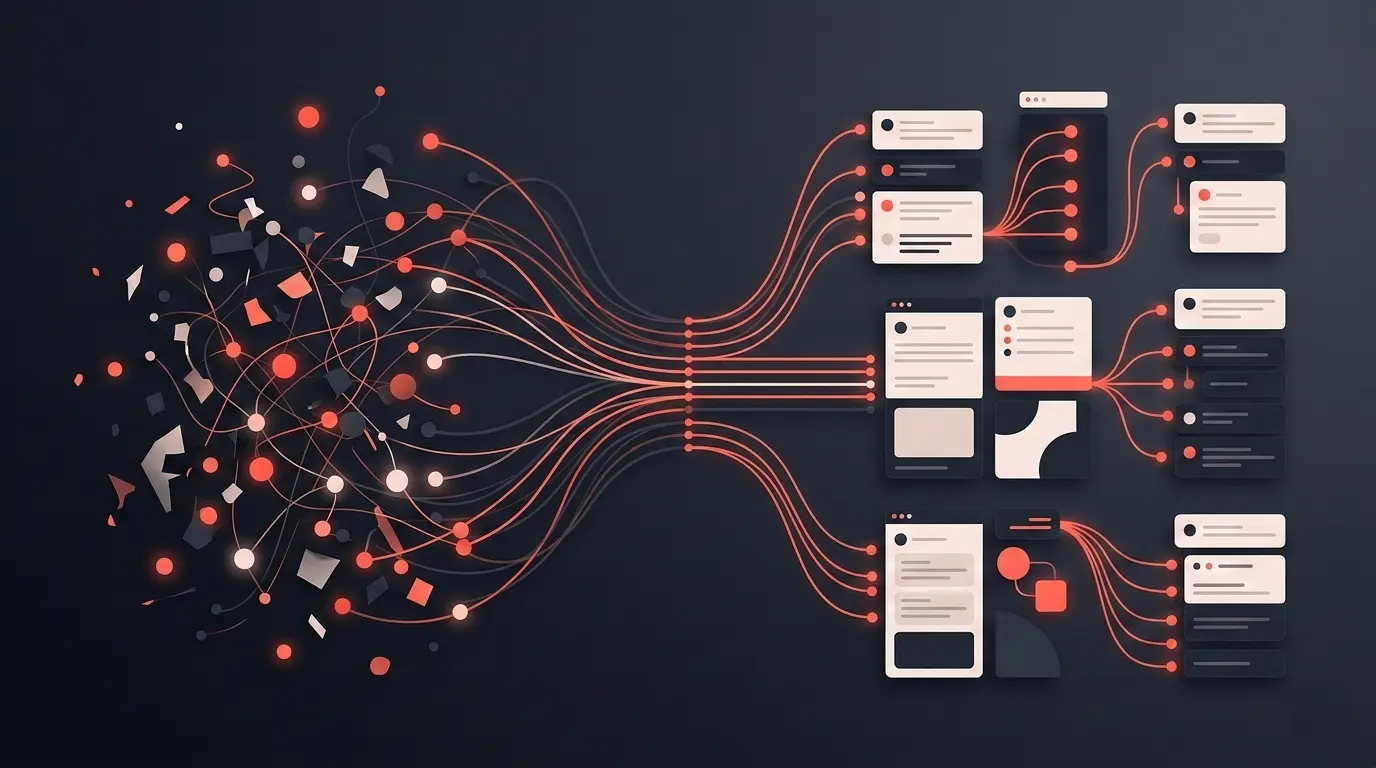
In the past two decades, social networking has transformed from a niche digital experiment into a global phenomenon reshaping how humans connect, communicate, and form relationships. Platforms like Facebook, Instagram, Twitter, and TikTok have not only connected distant friends and family but have also redefined the way businesses interact with customers, how news spreads, and even how societies organize themselves. This shift has fundamentally altered the rules of human connection, making it faster, more visible, and often more complex than ever before. The digital age has democratized communication, allowing voices from every corner of the world to be heard and relationships to flourish beyond geographical boundaries. Yet, this evolution brings both promise and challenges, raising questions about authenticity, privacy, and the depth of our digital bonds.
Concept & Overview
Social networking refers to the use of dedicated websites and applications to connect with other users, share content, and build communities based on shared interests or relationships. Unlike traditional forms of communication, such as letters or face-to-face conversations, social networking thrives on immediacy and scalability. It operates on the principle of networks, webs of interconnected individuals who can interact with one another directly or through shared public posts. The core idea is not just to connect people but to create ecosystems where information, emotions, and identities can flow freely. These platforms leverage algorithms to curate content, prioritizing relevance and engagement, which in turn shapes how users perceive each other and the world around them.
Key Features & Highlights
- Instantaneous Communication: Social networking enables real-time interaction across time zones and cultures. Messages, comments, and reactions can travel across continents in seconds, breaking down the barriers of delayed correspondence.
- Global Reach: Individuals and businesses can connect with audiences worldwide without physical relocation. This has empowered creators, entrepreneurs, and activists to build communities far beyond their local environments.
- Personal Branding: Platforms allow users to craft and project their identities through profiles, posts, and stories. Personal branding has become a key component of professional and social success in the digital world.
- Networked Communities: Interest-based groups and forums foster niche communities where people bond over shared passions, whether in hobbies, politics, or education. These communities often transcend traditional social circles.
- Algorithmic Influence: Social media algorithms determine what content users see, influencing opinions, behaviors, and even emotional states. This curated experience can enhance relevance but also creates echo chambers and filter bubbles.
Frequently Asked Questions / Pros & Cons
What are the main benefits of social networking in human connection?
Social networking offers unparalleled accessibility, allowing people to maintain relationships across long distances and time zones. It provides platforms for emotional support, professional networking, and community building that were previously unavailable. Additionally, it amplifies marginalized voices and enables rapid mobilization for social causes, making it a powerful tool for advocacy and change.
What are the potential downsides of digital-only relationships?
One major concern is the superficiality of some online interactions, where depth and authenticity may be compromised by curated profiles and performative behavior. Over-reliance on digital communication can also reduce face-to-face interactions, potentially weakening emotional intelligence and nonverbal communication skills. Privacy risks, misinformation, and digital addiction further complicate the landscape of online connections.
How does social networking impact mental health?
While social networking can provide support and a sense of belonging, it is also linked to increased feelings of anxiety, depression, and loneliness, particularly when users compare themselves to idealized online portrayals. Constant exposure to curated highlights from others’ lives can foster envy and dissatisfaction with one’s own life, especially among younger users.
Can social networking replace traditional forms of communication?
Social networking complements but does not fully replace traditional communication. Face-to-face interactions, phone calls, and handwritten letters offer emotional depth and nuance that digital messages often lack. However, social platforms can serve as bridges to maintain connections between in-person visits or during periods of physical separation.
What role do algorithms play in shaping online connections?
Algorithms curate content based on user behavior, preferences, and engagement history, creating personalized feeds. While this enhances relevance and engagement, it can also limit exposure to diverse viewpoints, reinforcing existing beliefs and narrowing perspectives. This phenomenon is often referred to as an echo chamber.
Practical Guidance & Solutions
To harness the benefits of social networking while minimizing its drawbacks, consider the following strategies:
- Curate Your Feed: Actively follow accounts and groups that inspire, educate, or bring joy. Unfollow or mute sources that contribute to negativity or comparison.
- Balance Online and Offline Time: Set aside dedicated periods for in-person interactions, hobbies, or digital detoxes to maintain a healthy balance between virtual and real-world connections.
- Practice Digital Empathy: Be mindful of tone and intent when communicating online. Remember that text lacks facial expressions and vocal inflections, so clarify meaning and avoid assumptions.
- Protect Your Privacy: Review privacy settings regularly, limit sharing of personal information, and be cautious about accepting friend requests or messages from unknown individuals.
- Use Platforms Mindfully: Instead of passively scrolling, engage intentionally by commenting, sharing meaningful content, or joining discussions that align with your values.
For businesses and creators, authenticity and consistency are key. Focus on building genuine relationships with your audience by responding to comments, sharing behind-the-scenes content, and showing vulnerability. Transparency and human connection can foster trust and loyalty in ways that polished marketing alone cannot.
Conclusion
Social networking has irrevocably rewritten the rules of human connection, offering both unparalleled opportunities and profound challenges. It has connected billions, amplified voices, and redefined relationships in ways unimaginable just a few decades ago. Yet, as we navigate this digital landscape, it is essential to approach social platforms with intentionality, prioritizing depth over volume and authenticity over performance. By balancing our online presence with real-world interactions and cultivating empathy in our digital exchanges, we can ensure that technology serves as a bridge rather than a barrier to meaningful human connection. The future of human relationships will likely continue to blend the digital and physical, but our ability to foster genuine connection will ultimately define the quality of our shared experiences.
About the Author