Introduction & Background
In today’s fast-paced digital world, intelligent apps are no longer a luxury, they are a necessity. Businesses and individuals alike are seeking ways to automate tasks, enhance productivity, and deliver seamless user experiences. The ability to transform raw ideas into fully functional intelligent applications marks the difference between success and stagnation in competitive markets. Whether you are a seasoned developer or a curious entrepreneur, mastering the art of crafting intelligent apps from scratch empowers you to turn visionary concepts into reality. This guide explores how to revolutionize your ideas by building smart, adaptive, and intuitive applications designed to meet modern demands.
Concept & Overview
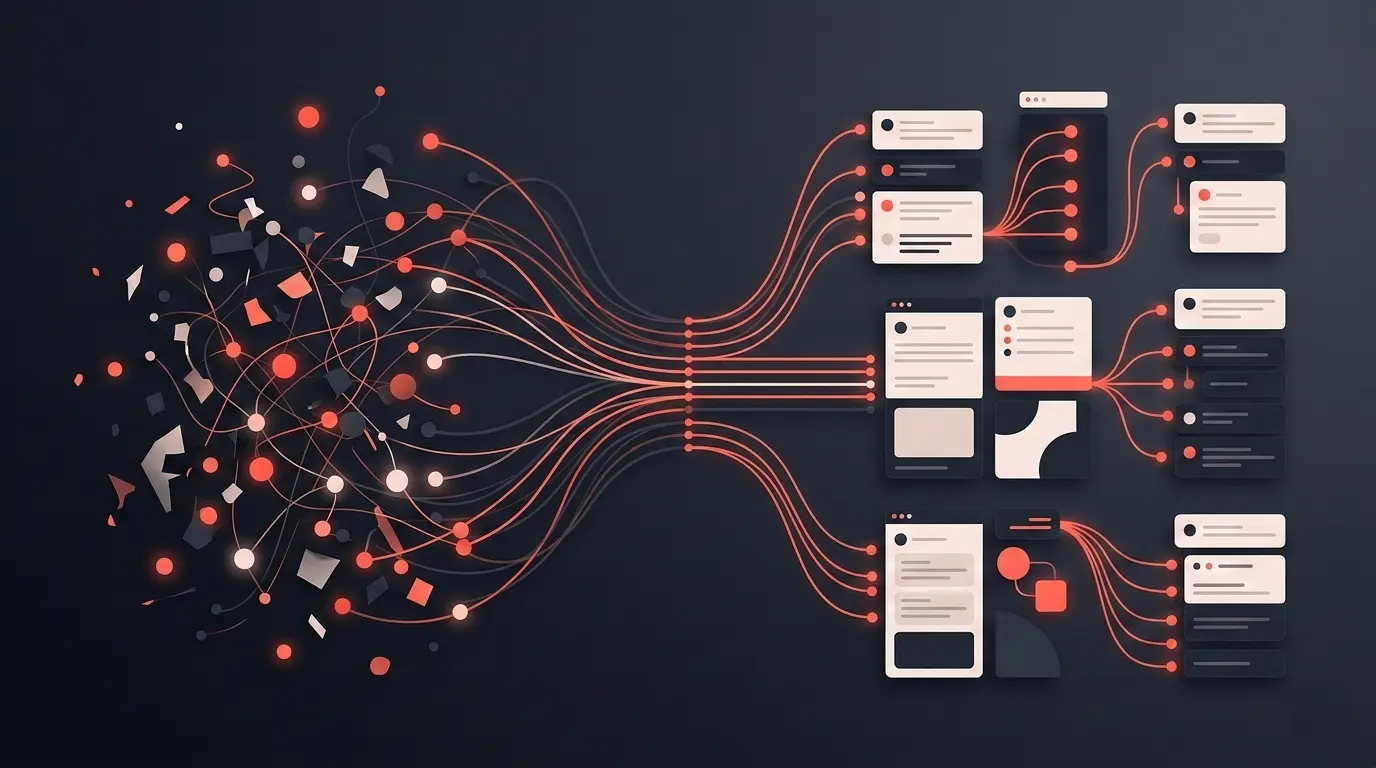
An intelligent app is a software application that leverages artificial intelligence, machine learning, and real-time data processing to deliver personalized, predictive, and responsive user experiences. Unlike traditional apps that rely solely on predefined logic, intelligent apps dynamically learn from user behavior, adapt to changing conditions, and make autonomous decisions. At its core, the process of creating such an app involves integrating AI models, data pipelines, and responsive interfaces into a cohesive system. These applications often utilize natural language processing, computer vision, or predictive analytics to solve complex problems and anticipate user needs. The journey from concept to deployment requires a blend of creativity, technical expertise, and strategic planning.
Key Features & Highlights
- Adaptive Learning: The app continuously improves its performance by analyzing user interactions, feedback, and environmental data over time.
- Real-Time Processing: It processes and responds to inputs instantly, enabling features like live recommendations, chatbots, or dynamic content generation.
- Seamless Integration: Intelligent apps connect smoothly with multiple data sources, APIs, and third-party services to enrich functionality and expand utility.
- User-Centric Design: Interfaces are intuitive, accessible, and tailored to individual preferences, enhancing engagement and satisfaction.
- Predictive Capabilities: By analyzing historical and current data, the app forecasts trends, identifies risks, and suggests optimal actions before users even ask.
- Scalability & Security: Built to handle growing user bases and sensitive data, these apps incorporate robust encryption, authentication, and compliance measures.
Frequently Asked Questions / Pros & Cons
What defines an intelligent app compared to a regular app?
An intelligent app goes beyond static functionality by incorporating AI-driven features such as learning, prediction, and automation. While a regular app follows fixed rules, an intelligent app evolves with usage, adapts to new inputs, and often makes decisions autonomously.
What are the main benefits of building an intelligent app?
- Enhanced user experience through personalization and responsiveness.
- Increased efficiency by automating repetitive tasks and reducing human error.
- Competitive advantage through innovation and differentiation.
- Higher engagement and retention due to smarter interactions.
What are the potential challenges in developing intelligent apps?
- Resource-intensive development requiring specialized skills in AI and data science.
- High costs associated with data acquisition, model training, and infrastructure.
- Data privacy and security risks that demand strict compliance with regulations.
- Complex integration challenges when connecting multiple AI components and external systems.
Is it necessary to have a large dataset to build an intelligent app?
While large datasets improve model accuracy, many intelligent apps start with smaller, high-quality datasets and scale as they gather more user data. The key is focusing on relevant, clean, and well-labeled data rather than sheer volume.
Can an intelligent app function without continuous internet connectivity?
Yes, some intelligent apps support offline modes by caching models locally or processing data on the device. However, real-time intelligent features typically require connectivity to access cloud-based AI services and live data streams.
Practical Guidance & Solutions
To successfully craft an intelligent app from scratch, begin by defining your core value proposition. Ask yourself what problem you are solving and how intelligence will enhance the solution. Start small by identifying one key AI feature, such as a recommendation engine or a chatbot, and build a minimal viable product around it.
Invest in selecting the right AI frameworks and tools, such as TensorFlow, PyTorch, or cloud-based services like Google’s Vertex AI. These platforms provide pre-built models and APIs that can accelerate development without requiring deep expertise in machine learning.
Prioritize data collection and quality from the outset. Establish clear pipelines for data ingestion, cleaning, and labeling. Consider using synthetic data or public datasets during early stages to test your models before scaling up.
Focus on user experience by designing interfaces that are both elegant and functional. Test your app with real users early and often to identify pain points and refine your AI logic based on feedback.
Finally, plan for scalability and security from day one. Use modular architecture, containerization, and cloud services to ensure your app can grow. Implement encryption, access controls, and regular audits to protect user data and maintain trust.
Conclusion
Crafting intelligent apps from scratch is not just about writing code, it is about reimagining what software can do. It is about creating solutions that understand, adapt, and evolve alongside their users. In a landscape where technology and user expectations are constantly shifting, intelligent apps provide the edge needed to stand out and succeed. By combining strategic planning, technical rigor, and a deep focus on user needs, anyone can turn bold ideas into transformative digital experiences. The future belongs to those who dare to innovate, and intelligent apps are the bridge between vision and reality.
About the Author