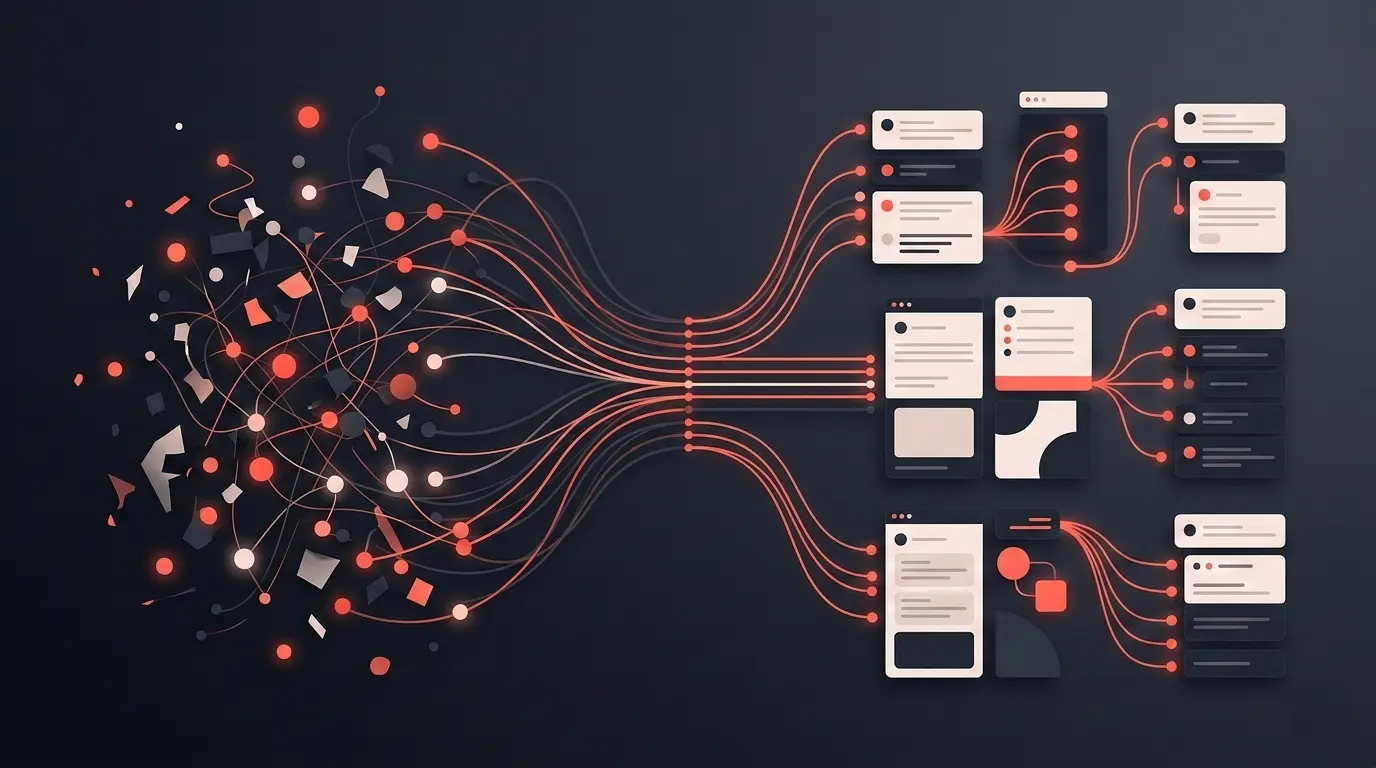
Cybersecurity Progress Protecting Modern Computer Systems, The digital era has ushered in an environment where information flows continuously across interconnected systems, creating both opportunity and vulnerability. As networks expand and data exchange intensifies, the need for resilient protective mechanisms becomes increasingly critical. Within this rapidly shifting terrain, cybersecurity progress has emerged as the cornerstone of digital stability, shaping how systems anticipate, detect, and neutralize threats before they can inflict damage.

Modern defense strategies are no longer reactive but deeply anticipatory. Systems are designed to identify anomalies in real time, leveraging behavioral patterns and predictive analytics to uncover potential breaches before they escalate. This transformation reflects a broader shift toward intelligent protection, where adaptability is just as important as strength. The result is a digital environment that is constantly learning, evolving, and reinforcing its own defensive posture.
Cryptographic Evolution and Data Shielding
Encryption has become one of the most fundamental pillars of digital protection. Through advanced cryptographic algorithms, sensitive information is transformed into encoded structures that remain unintelligible without proper authorization. This ensures that even if data is intercepted, it cannot be meaningfully exploited.
Modern encryption techniques utilize layered complexity, combining symmetric and asymmetric methods to enhance security depth. Key exchange protocols have also become more sophisticated, reducing the risk of interception during transmission. These developments ensure that communication channels remain secure even in highly exposed environments.
Hashing mechanisms further strengthen integrity by verifying that data has not been altered during transit or storage. Even the smallest modification triggers detection, allowing systems to respond swiftly to potential tampering. This intricate web of cryptographic safeguards forms a resilient barrier against unauthorized access.
Intelligent Threat Detection and Adaptive Systems
Contemporary security frameworks rely heavily on artificial intelligence to identify and respond to threats. Machine learning models analyze vast datasets of network activity, searching for irregular patterns that may indicate malicious behavior. This allows systems to detect subtle anomalies that traditional rule based methods might overlook.
Adaptive algorithms continuously refine their understanding of normal system behavior. As they process more data, their predictive accuracy improves, enabling faster and more precise threat identification. This dynamic learning process creates a security environment that evolves alongside emerging attack vectors.
Behavioral analysis also plays a crucial role in modern defense strategies. By monitoring user interactions and system activity, security platforms can distinguish between legitimate actions and suspicious behavior. This granular level of observation enhances detection capabilities and reduces false positives, ensuring that legitimate operations are not disrupted unnecessarily.
Network Architecture and Segmentation Strategies
Modern cybersecurity frameworks increasingly rely on segmented network architectures to limit the spread of potential intrusions. By dividing systems into isolated zones, organizations can contain threats within restricted environments, preventing lateral movement across the entire infrastructure.
This approach significantly reduces the impact of breaches, as compromised segments remain separated from critical assets. Firewalls and intrusion prevention systems further reinforce these boundaries by monitoring traffic flow and blocking unauthorized access attempts. The combination of segmentation and monitoring creates a layered defense model that is both flexible and robust.
Zero trust architecture has also gained prominence, operating on the principle that no entity should be automatically trusted, whether inside or outside the network perimeter. Every access request is continuously verified, ensuring strict control over system entry points. This paradigm shift has redefined how trust is managed within digital environments.
Endpoint Protection and Device Security
As digital ecosystems expand, endpoints such as laptops, mobile devices, and IoT systems have become critical points of vulnerability. Protecting these devices requires specialized security solutions that extend beyond traditional perimeter defenses.
Endpoint detection systems continuously monitor device activity, identifying suspicious behavior and isolating threats before they can spread. These tools often integrate with centralized security platforms, enabling coordinated responses across entire networks. This unified approach ensures that threats are addressed at the source, minimizing potential damage.
Firmware security has also become increasingly important, as attackers often target low level system components. Secure boot mechanisms and hardware based encryption provide additional layers of protection, ensuring that devices start in a trusted state. These innovations strengthen endpoint resilience and reduce exposure to advanced persistent threats.
Cloud Security and Distributed Protection Models
With the widespread adoption of cloud computing, security strategies have evolved to address distributed environments. Cloud infrastructures require specialized protective measures that account for shared resources and remote accessibility.
Access management systems regulate user permissions with high precision, ensuring that individuals only access the resources necessary for their roles. This minimizes risk exposure and reduces the potential impact of compromised credentials. Encryption is also applied extensively across cloud storage and communication channels, maintaining data confidentiality even in shared environments.
Continuous monitoring systems track activity across cloud platforms, identifying unusual patterns that may indicate security breaches. These systems operate at scale, analyzing vast amounts of data in real time to ensure rapid response capabilities. As cloud environments grow more complex, integrated security frameworks become essential for maintaining operational integrity.
Human Factors and Security Awareness
Despite technological advancements, human behavior remains one of the most significant factors in cybersecurity. Social engineering attacks exploit psychological vulnerabilities rather than technical flaws, making user awareness a critical component of defense strategies.
Training programs and awareness campaigns help individuals recognize potential threats such as phishing attempts and deceptive communications. By fostering a culture of vigilance, organizations can significantly reduce the likelihood of successful attacks.
Authentication systems have also evolved to include multi factor verification methods, adding additional layers of identity confirmation. These systems combine passwords with biometric data or secondary devices, making unauthorized access significantly more difficult. This multi dimensional approach strengthens overall system resilience.
The Continuous Advancement of Digital Protection
The field of cybersecurity continues to evolve at a rapid pace, driven by increasingly sophisticated threats and expanding digital ecosystems. Defense systems are becoming more intelligent, adaptive, and interconnected, reflecting the complexity of the environments they protect. Within this ever changing landscape, cybersecurity progress remains a defining force, shaping the strategies, technologies, and innovations that safeguard modern computer systems and ensure the stability of the digital world.
About the Author