Introduction & Background
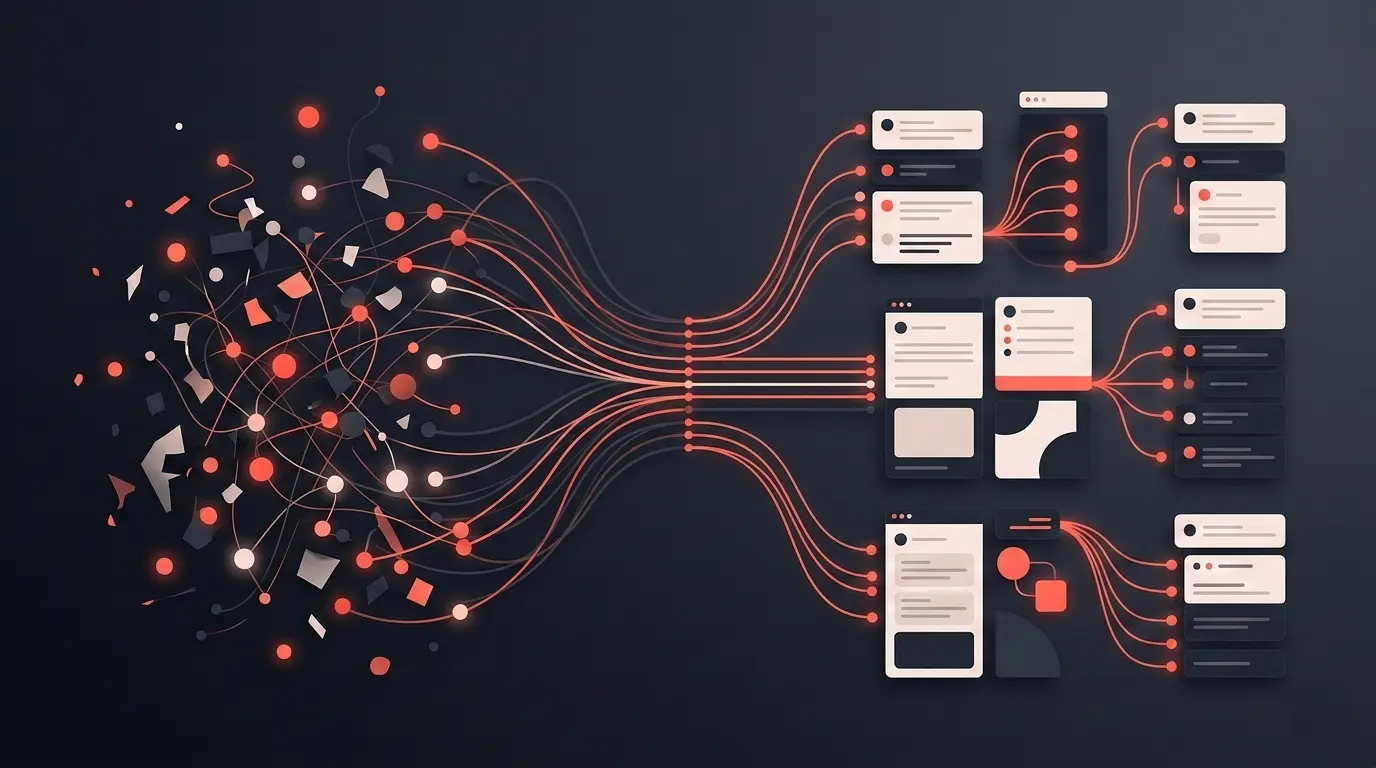
In an era where national boundaries are increasingly porous and digital connectivity reshapes commerce, culture, and diplomacy, the concept of global currents has emerged as a powerful lens to understand the sweeping changes transforming continents. These currents represent the interconnected flows of people, ideas, capital, and technology that bind nations together in an invisible yet indelible web. From the rise of emerging markets to the rapid spread of social movements across borders, global currents are not merely trends. They are the tides of change that redefine how societies evolve, how economies function, and how individuals interact with the world. Understanding these currents is essential for policymakers, business leaders, and citizens alike, as they shape the future trajectory of humanity.
Concept & Overview
Global currents refer to the dynamic and often unpredictable movements that traverse geographical, cultural, and economic divides. These currents manifest in various forms. Trade flows, migration patterns, information networks, and technological adoption are all vital components. At their core, global currents are driven by the interplay of supply and demand, innovation and tradition, cooperation and conflict. They operate on multiple scales, from local communities to global institutions, and influence everything from currency values to cultural identities. The concept challenges the notion of isolated national development and instead emphasizes interdependence as the defining feature of our time. As barriers to movement and communication continue to fall, these currents grow stronger, creating both opportunities and challenges for societies worldwide.
Key Features & Highlights
- Interconnected Systems: Global currents operate within complex networks where changes in one region ripple across continents. For example, a financial crisis in one country can trigger stock market downturns thousands of miles away.
- Speed and Scale: Thanks to digital technology, information and capital can travel around the world in seconds. Social media campaigns, viral trends, and real-time financial transactions exemplify this rapid transmission.
- Diversity of Actors: These currents are not controlled by any single entity. Governments, multinational corporations, NGOs, and individual citizens all play roles in shaping and being shaped by global flows.
- Cultural Exchange: Language, music, fashion, and art traverse borders with increasing ease. This exchange enriches local cultures while also raising concerns about homogenization and loss of tradition.
- Environmental Impact: Global currents extend to ecological systems, including climate patterns, pollution pathways, and resource distribution. Environmental policies in one nation can have far-reaching consequences.
- Policy Interdependence: National policies are increasingly influenced by global standards and agreements. From trade tariffs to human rights conventions, no country operates in complete isolation.
Frequently Asked Questions / Pros & Cons
What defines a global current?
A global current is defined by its transnational reach and systemic impact. It is not a single event but a sustained pattern of movement or influence that connects multiple regions. For instance, the digital economy is a global current because it reshapes labor markets, consumer behavior, and innovation ecosystems across borders.
What are the benefits of global currents?
- Economic Growth: Global trade and investment fuel development, create jobs, and raise living standards in many regions.
- Knowledge Sharing: Collaborative research, educational exchanges, and open-access platforms accelerate scientific and technological progress.
- Cultural Enrichment: Exposure to diverse perspectives fosters creativity, tolerance, and social innovation.
- Conflict Resolution: Increased communication and interdependence can reduce the likelihood of large-scale wars by promoting mutual understanding.
What are the challenges posed by global currents?
- Inequality: While some regions benefit from globalization, others face marginalization, leading to widening economic disparities.
- Loss of Sovereignty: Nations may struggle to maintain control over domestic policies as external forces exert influence.
- Environmental Degradation: Unregulated industrial activity and resource extraction driven by global demand can harm ecosystems.
- Cultural Homogenization: Dominant cultural influences may overshadow local traditions, languages, and identities.
Are global currents reversible?
While global currents can be slowed or redirected, they are unlikely to be fully reversed. The forces of technology, economics, and communication have created a highly interconnected world. However, policies and collective action can shape the direction and impact of these currents. For example, nations can implement sustainable trade practices to mitigate environmental harm caused by global supply chains.
Practical Guidance & Solutions
Navigating global currents requires a blend of foresight, adaptability, and collaboration. For individuals, staying informed about international developments and developing cross-cultural competencies can enhance personal and professional resilience. Businesses should adopt sustainable and ethical practices to align with global expectations while ensuring long-term viability. Governments can foster inclusive growth by investing in education, infrastructure, and social safety nets to help citizens thrive amid global changes.
On a broader scale, international cooperation remains vital. Institutions like the United Nations, World Trade Organization, and International Monetary Fund play critical roles in coordinating responses to global challenges. Civil society organizations and grassroots movements also drive positive change by advocating for fair trade, human rights, and environmental stewardship. By embracing transparency and accountability, stakeholders across sectors can harness global currents to build a more equitable and sustainable world.
Conclusion
The global currents of today are not just shaping economies or politics. They are redefining what it means to be human in a connected world. From the flow of refugees seeking safety to the migration of digital nomads following opportunity, these currents tell a story of both struggle and progress. They reveal how deeply intertwined our fates have become, where a decision in Tokyo can echo in Toronto, or a protest in Paris can inspire action in Buenos Aires. Understanding these currents is not optional. It is a necessity for anyone seeking to navigate the future with awareness and purpose. As the tides of change continue to rise, the challenge, and opportunity, lies in steering these currents toward outcomes that uplift all of humanity, not just a privileged few. The journey ahead demands not only observation but active participation, ensuring that the global currents we ride lead us to a shared horizon of peace, prosperity, and dignity.
About the Author