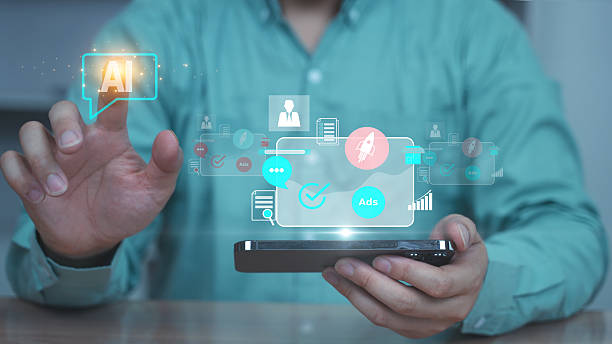
Unlocking the Future: How Mobile Apps are Revolutionizing Every Aspect of Our Lives

Unlocking the Future: How Mobile Apps Are Revolutionizing Every Aspect of Our Lives
In an era defined by rapid technological advancement, mobile apps have emerged as the cornerstone of innovation, reshaping the way we live, work, and interact with the world. From the moment we wake up to the time we go to bed, these digital tools are woven into the fabric of our daily routines, offering convenience, efficiency, and connectivity like never before. No longer confined to mere communication tools, mobile apps have evolved into powerful platforms that empower individuals, streamline industries, and redefine societal norms. As we stand on the brink of a new digital age, it is essential to explore how these applications are unlocking the future and revolutionizing every facet of our lives.
The Rise of Mobile Apps: A Digital Revolution
Mobile apps have come a long way since the launch of the first-generation smartphone apps in the late 2000s. Today, there are over 8 million apps available across various platforms, catering to nearly every need imaginable. The proliferation of smartphones, coupled with high-speed internet access, has democratized technology, making it accessible to people from all walks of life. This accessibility has fueled the growth of mobile apps, transforming them from simple utilities into indispensable tools that drive productivity, entertainment, and social interaction.
The app economy has also become a significant driver of economic growth, creating millions of jobs and generating billions in revenue. According to industry reports, the global mobile app market is projected to reach over $935 billion by 2023, underscoring the immense impact these applications have on both the economy and society. As artificial intelligence, machine learning, and 5G technology continue to advance, the potential for mobile apps to further revolutionize our lives is boundless.
Transforming Communication and Social Interaction
One of the most profound ways mobile apps have revolutionized our lives is by transforming the way we communicate and connect with others. Social media platforms like Facebook, Instagram, Twitter, and TikTok have redefined human interaction, enabling us to share experiences, ideas, and emotions in real time, regardless of geographical boundaries. These apps have bridged gaps between cultures, fostering global communities and empowering individuals to express themselves freely. They have also played a crucial role in social movements, amplifying voices that might otherwise go unheard and driving real-world change.
Beyond social media, messaging apps such as WhatsApp, Telegram, and Signal have revolutionized personal and professional communication. With features like end-to-end encryption, voice and video calls, and group chats, these apps have made staying in touch effortless and secure. The rise of video conferencing tools like Zoom and Microsoft Teams has further transformed the way we collaborate, enabling remote work and virtual meetings to become the new norm, especially in the wake of the COVID-19 pandemic.
Revolutionizing Healthcare: Apps for a Healthier Tomorrow
Mobile health apps, or “mHealth” applications, are at the forefront of transforming healthcare delivery. These apps empower individuals to take control of their health by providing tools for monitoring, managing, and improving well-being. From fitness trackers like Fitbit and Apple Health to telemedicine platforms that connect patients with doctors remotely, mobile apps are making healthcare more accessible, affordable, and personalized.
A few key ways mobile apps are revolutionizing healthcare include:
- Telemedicine: Apps like Teladoc and Amwell allow patients to consult with healthcare professionals via video calls, reducing the need for in-person visits and improving access to medical care, especially in rural or underserved areas.
- Chronic Disease Management: Apps such as MyFitnessPal and Glucose Buddy help individuals manage conditions like diabetes by tracking diet, exercise, and medication adherence.
- Mental Health Support: Platforms like Headspace and BetterHelp provide mental health resources, including meditation guides, therapy sessions, and crisis hotlines, making mental health care more accessible.
- Medication Reminders: Apps like Medisafe and Pill Reminder ensure patients never miss a dose, improving adherence to treatment plans.
The integration of wearable devices with mobile apps has further enhanced health monitoring, enabling real-time tracking of vital signs such as heart rate, blood pressure, and sleep patterns. As these technologies continue to evolve, the future of healthcare promises to be more proactive, preventive, and patient-centered, thanks to the power of mobile apps.
Education and Learning: Learning at Your Fingertips
Mobile apps have democratized education, breaking down barriers to learning and making knowledge accessible to anyone with a smartphone. From language-learning apps like Duolingo and Babbel to online course platforms like Coursera and Udemy, these tools are revolutionizing the way we acquire new skills and knowledge. Students of all ages can now learn at their own pace, from anywhere in the world, without the constraints of traditional classroom settings.
The benefits of mobile apps in education extend beyond formal learning. Apps like Khan Academy and TED-Ed offer free, high-quality educational content on a wide range of subjects, while apps like Quizlet help students prepare for exams through interactive study tools. For young children, educational apps like Endless Alphabet and Khan Academy Kids make learning fun and engaging, fostering early cognitive development.
Moreover, mobile apps have revolutionized professional development by providing access to certifications, workshops, and mentorship programs. Platforms like LinkedIn Learning and Skillshare offer courses taught by industry experts, helping individuals upskill and stay competitive in the job market. The rise of microlearning—bite-sized lessons delivered through apps—has also made it easier for busy professionals to fit learning into their schedules.
Finance and Banking: A Cashless Future
The financial sector has undergone a significant transformation thanks to mobile apps, which have made banking, investing, and financial management more convenient and secure. Digital banking apps like Revolut, Chime, and Ally Bank allow users to manage their accounts, transfer funds, and pay bills with just a few taps on their smartphones. These apps have eliminated the need for physical bank branches, reducing overhead costs and increasing accessibility for millions of people.
Mobile payment apps like PayPal, Venmo, and Apple Pay have revolutionized the way we transact, enabling seamless peer-to-peer payments and contactless transactions. The rise of cryptocurrency apps like Coinbase and Binance has further expanded financial horizons, allowing users to buy, sell, and trade digital assets with ease. Additionally, budgeting and investment apps like Mint, YNAB (You Need A Budget), and Robinhood empower individuals to take control of their finances, track spending, and invest in the stock market from their devices.
The integration of biometric authentication—such as fingerprint and facial recognition—has enhanced the security of financial apps, reducing the risk of fraud and identity theft. As blockchain technology and decentralized finance (DeFi) continue to evolve, mobile apps are poised to play an even greater role in shaping the future of finance.
Entertainment and Media: On-Demand Everything
Gone are the days when entertainment was limited to scheduled TV programs or trips to the video store. Mobile apps have revolutionized the entertainment industry by delivering on-demand content tailored to individual preferences. Streaming services like Netflix, Disney+, and Spotify have made it easier than ever to access movies, TV shows, music, and podcasts anytime, anywhere. With personalized recommendations and offline viewing options, these apps ensure that users always have something to watch or listen to.
Gaming has also been transformed by mobile apps, with platforms like Roblox, Candy Crush Saga, and Fortnite offering immersive experiences that rival traditional console and PC games. The rise of cloud gaming apps like Xbox Cloud Gaming and NVIDIA GeForce Now has further blurred the lines between mobile and traditional gaming, allowing users to play high-quality games on their devices without the need for expensive hardware.
- Social Media and Short-Form Content: Apps like TikTok and Instagram Reels have redefined content consumption, enabling users to create and share bite-sized videos that capture the attention of millions.
- Augmented Reality (AR) and Virtual Reality (VR): Apps like Snapchat and Pokémon GO leverage AR to create interactive experiences, while VR apps like Oculus Venues offer immersive virtual environments for gaming, socializing, and even attending concerts.
- Audiobooks and Podcasts: Platforms like Audible and Pocket Casts provide access to a vast library of audiobooks and podcasts, catering to diverse interests and learning styles.
The personalization of entertainment through AI-driven algorithms ensures that users are constantly engaged, making mobile apps a dominant force in the media landscape.
E-Commerce and Retail: Shopping Redefined
Mobile apps have revolutionized the way we shop, turning smartphones into virtual shopping malls. E-commerce giants like Amazon, eBay, and Alibaba have optimized their platforms for mobile use, offering seamless browsing, secure payments, and fast delivery options. These apps have made it possible to purchase anything from groceries to luxury items with just a few taps, eliminating the need for physical stores in many cases.
The rise of social commerce—where users can shop directly through social media apps like Instagram and Facebook—has further blurred the lines between entertainment and shopping. Features like Instagram Shopping and Facebook Marketplace allow businesses to reach customers where they already spend their time, creating a more integrated and convenient shopping experience.
For small businesses and entrepreneurs, mobile apps have leveled the playing field, enabling them to reach global audiences without the need for a physical storefront. Platforms like Shopify and WooCommerce provide easy-to-use tools for creating and managing online stores, while apps like Etsy and Depop cater to niche markets, such as handmade goods and vintage items.
The integration of augmented reality (AR) in shopping apps has also transformed the way consumers interact with products. Apps like IKEA Place and Sephora Virtual Artist allow users to visualize furniture in their homes or try on makeup virtually before making a purchase, reducing the uncertainty of online shopping and enhancing the customer experience.
The Gig Economy: Empowering Freelancers and Entrepreneurs
The gig economy has flourished thanks to mobile apps, which connect freelancers and independent contractors with clients in need of their services. Platforms like Uber, Lyft, and DoorDash have revolutionized the transportation and food delivery industries, providing flexible earning opportunities for millions of people worldwide. Similarly, apps like Upwork, Fiverr, and Toptal connect freelancers with businesses looking for skills in writing, graphic design, programming, and more.
For entrepreneurs, mobile apps have made it easier than ever to launch and scale a business. Dropshipping apps like Shopify and Oberlo allow individuals to start an e-commerce store without holding inventory, while apps like Canva and Adobe Spark enable non-designers to create professional marketing materials. The rise of no-code and low-code app development platforms, such as Bubble and Adalo, has further democratized entrepreneurship, allowing anyone to build and launch an app without extensive coding knowledge.
The gig economy has not only provided financial opportunities but has also fostered innovation and creativity, as individuals leverage mobile apps to turn their passions into profitable ventures. However, it has also raised questions about job security, benefits, and labor rights, prompting discussions about the need for better regulations and protections for gig workers.
The Future of Mobile Apps: Trends to Watch
As technology continues to evolve, so too will the capabilities of mobile apps. Several trends are poised to shape the future of app development and user experience:
- Artificial Intelligence and Machine Learning: AI-powered apps will become even more personalized, with features like predictive text, voice assistants, and automated customer service becoming the norm. Machine learning algorithms will enable apps to learn user behavior and adapt accordingly, offering tailored recommendations and experiences.
- 5G Technology: The rollout of 5G networks will unlock new possibilities for mobile apps, including faster download speeds, lower latency, and improved connectivity. This will enable more immersive experiences, such as high-definition video streaming, real-time multiplayer gaming, and seamless cloud computing.
- Augmented Reality (AR) and Virtual Reality (VR): AR and VR apps will become more mainstream, transforming industries like retail, real estate, education, and healthcare. From virtual try-ons to immersive training simulations, these technologies will redefine how we interact with digital content.
- Blockchain and Decentralized Apps (DApps): Blockchain technology will enable the development of decentralized apps that offer greater security, transparency, and user control. These apps will leverage smart contracts and cryptocurrencies to create new economic models and empower users.
- Health Tech and Wearables: The integration of mobile apps with wearable devices will continue to advance, enabling real-time health monitoring, early disease detection, and personalized treatment plans. Apps will also play a crucial role in mental health support and chronic disease management.
- Sustainability and Green Tech: As environmental concerns grow, mobile apps will focus on promoting sustainability. From carbon footprint trackers to apps that help users find eco-friendly products, these tools will empower individuals to make more sustainable choices.
- Voice and Gesture Control: The rise of voice assistants like Siri, Google Assistant, and Alexa will lead to more apps that support voice commands and gesture-based interactions, making technology more accessible to users with disabilities.
The future of mobile apps is not just about technological advancements but also about addressing societal challenges. Apps that promote mental well-being, financial literacy, and digital inclusion will play a vital role in creating a more equitable and connected world.
Challenges and Considerations in the Mobile App Era
While mobile apps offer immense benefits, they also present challenges that must be addressed to ensure a sustainable and inclusive digital future. One of the primary concerns is data privacy and security. With apps collecting vast amounts of personal data, the risk of breaches and misuse remains a significant issue. Developers and regulators must prioritize robust security measures, such as encryption and transparent data policies, to protect user information.
Another challenge is the digital divide, which refers to the gap between those who have access to technology and those who do not. While mobile apps have democratized access to services, not everyone has a smartphone or reliable internet access. Bridging this gap requires investment in infrastructure, affordable devices, and digital literacy programs to ensure that no one is left behind in the digital revolution.
App addiction and over-reliance on technology are also growing concerns. The constant notifications, endless scrolling, and dopamine-driven design of many apps can lead to addictive behaviors and negative impacts on mental health. Developers and users alike must strike a balance between leveraging the benefits of mobile apps and maintaining a healthy relationship with technology.
Finally, the sustainability of the app economy is an ongoing debate. The rapid pace of innovation often leads to planned obsolescence, where apps and devices become outdated quickly, contributing to electronic waste. Developers must prioritize sustainable design practices, such as modular updates and recyclable materials, to minimize their environmental impact.
Conclusion: A World Transformed by Mobile Apps
Mobile apps have undeniably revolutionized every aspect of our lives, from the way we communicate and learn to how we work, shop, and manage our health. They have empowered individuals, transformed industries, and created new economic opportunities, all while pushing the boundaries of what technology can achieve. As we look to the future, the potential for mobile apps to further enhance our lives is limitless, provided we address the challenges and ethical considerations that come with this digital revolution.
The key to unlocking the full potential of mobile apps lies in responsible innovation. Developers must prioritize user privacy, inclusivity, and sustainability, while users should strive for mindful engagement with technology. By harnessing the power of mobile apps responsibly, we can create a future that is not only smarter and more efficient but also more equitable and connected.
In this ever-evolving digital landscape, one thing is certain: mobile apps will continue to shape the way we live, work, and interact with the world. By embracing these tools and using them thoughtfully, we can unlock a future that is brighter, more inclusive, and filled with endless possibilities.
About the Author