Unraveling the Global Tapestry: How World Events Shape Our Present and Future

The World as an Interconnected Web
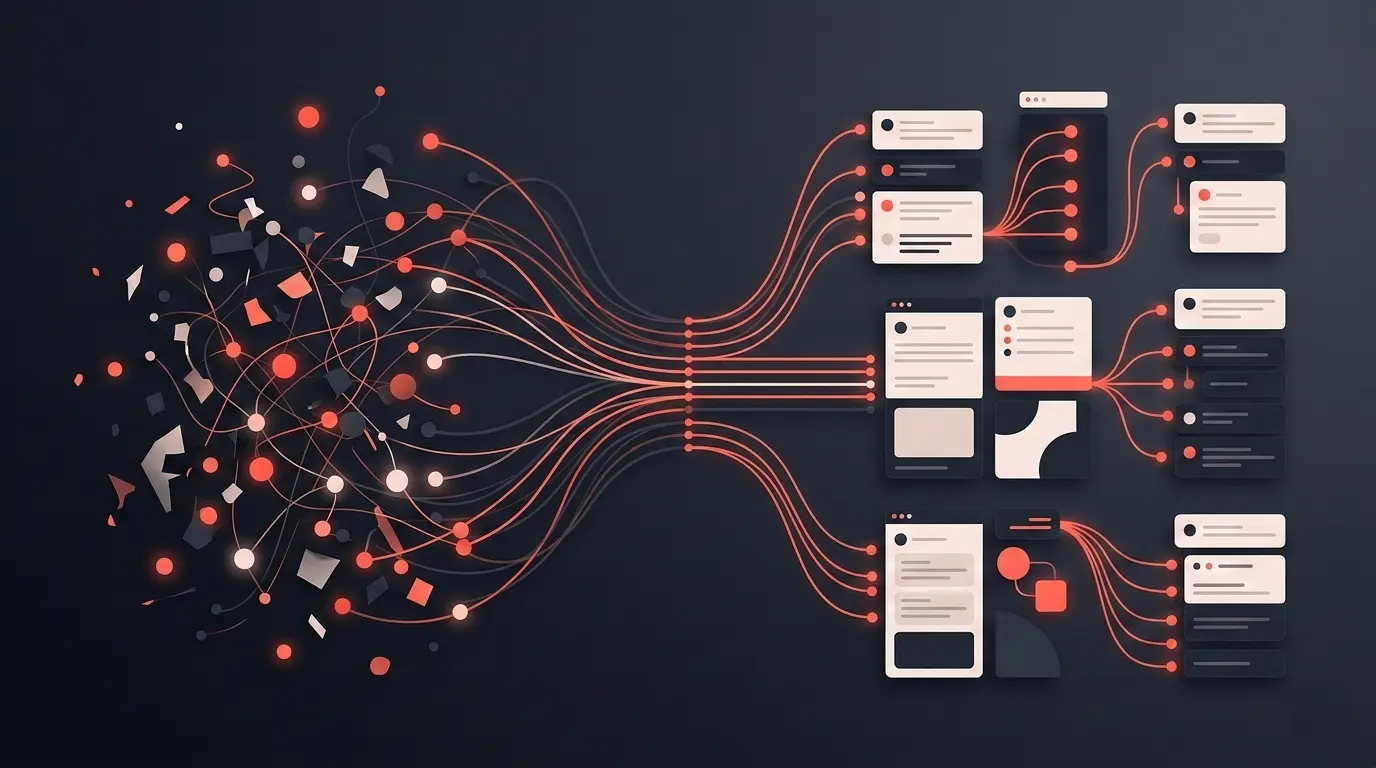
From the quiet hum of a village coffee shop to the bustling streets of a megacity, the world operates as a vast, interconnected network. Every event, no matter how small or distant, ripples across this network, influencing economies, cultures, and individual lives. The global tapestry is woven from countless threads—political decisions, economic shifts, technological breakthroughs, and social movements—each pulling and tugging at the fabric of our shared reality. Understanding how these threads interact is not just an intellectual exercise; it is a necessity for navigating the complexities of the 21st century.
Consider the way a single event, like the 2008 financial crisis, reshaped not only national economies but also global migration patterns, political alliances, and even personal savings habits. Or how the COVID-19 pandemic, which began as an outbreak in a single city, transformed work cultures, healthcare systems, and international travel overnight. These examples illustrate a fundamental truth: the world is not a static collection of isolated events but a dynamic, ever-evolving system where cause and effect know no borders.
The Power of Global Events
Global events act as catalysts, accelerating changes that might otherwise take decades to unfold. They can disrupt the status quo, challenge long-held beliefs, and force societies to adapt in ways previously unimaginable. Some events are sudden and dramatic, like wars or natural disasters, while others are gradual, like climate change or demographic shifts. Regardless of their nature, their impact is undeniable. Below are some of the key ways global events shape our present and future:
Economic Transformations
- Trade and Markets: Events such as the U.S.-China trade war or Brexit have redefined global supply chains, forcing businesses to rethink production and distribution strategies.
- Currency Fluctuations: Political instability, like the Russian invasion of Ukraine, can send shockwaves through financial markets, affecting everything from oil prices to grocery bills.
- Technological Disruptions: The rise of artificial intelligence or the adoption of blockchain technology can render entire industries obsolete while creating new economic opportunities.
Political and Social Shifts
- Elections and Leadership: The outcome of an election in one country can inspire or suppress movements in another, as seen with the Arab Spring or the spread of populist ideologies.
- Human Rights Movements: Events like the #MeToo movement or Black Lives Matter have transcended borders, fostering solidarity and prompting legislative changes worldwide.
- Refugee Crises: Wars and persecution drive mass migrations, reshaping the demographic landscapes of host countries and fueling debates on immigration and integration.
Technological and Environmental Changes
- Innovation and Access: The development of the internet democratized information, while advancements in renewable energy are reshaping the fight against climate change.
- Environmental Policies: International agreements like the Paris Climate Accord or disasters like the Amazon wildfires have pushed nations to reconsider their environmental priorities.
- Health Crises: Pandemics highlight the fragility of global health systems, leading to reforms in healthcare infrastructure and international cooperation.
The Domino Effect: How Events Cascade Across Borders
The domino effect is a powerful metaphor for understanding how global events interact. A single action or incident can trigger a chain reaction, with consequences that spread far beyond their point of origin. For example, the 1973 oil crisis, triggered by an OPEC embargo, not only caused fuel shortages in the West but also accelerated the shift toward energy efficiency and alternative fuels. Similarly, the 2016 U.S. presidential election influenced global trade policies, immigration laws, and even the strategies of multinational corporations.
This interconnectedness raises critical questions: How do we predict which events will have far-reaching impacts? Can we anticipate the ripple effects of a decision before it’s made? While no one can predict the future with certainty, studying past events and understanding the patterns of global interaction can provide valuable insights. Historians, economists, and political scientists often analyze these cascading effects to identify trends and prepare for potential scenarios.
The Role of Media and Perception
In today’s hyper-connected world, media plays a pivotal role in shaping how we perceive global events. The way information is disseminated—whether through traditional news outlets, social media, or citizen journalism—can influence public opinion, policy decisions, and even market behaviors. For instance, viral videos of police brutality can spark protests worldwide, while misinformation campaigns can distort reality and fuel conflicts.
Moreover, the speed at which information travels has compressed the timeline of global events. A tweet from a world leader or a viral hashtag can mobilize millions within hours. This immediacy has democratized the spread of ideas but has also made societies more vulnerable to manipulation. As consumers of information, it’s essential to critically evaluate sources, understand biases, and recognize the difference between noise and signal in the global conversation.
Preparing for an Uncertain Future
The unpredictability of global events can feel overwhelming, but it also presents opportunities for resilience and innovation. Individuals, communities, and nations can take steps to mitigate risks and adapt to change. Here are a few strategies to consider:
For Individuals
- Stay Informed: Follow reliable news sources and diversify your information intake to avoid echo chambers.
- Develop Adaptable Skills: In a rapidly changing job market, skills like critical thinking, digital literacy, and emotional intelligence are invaluable.
- Build Community Networks: Strong local and global communities provide support during crises and foster collective problem-solving.
For Communities and Organizations
- Invest in Infrastructure: Robust infrastructure, from healthcare systems to digital networks, enhances resilience against disruptions.
- Promote Collaboration: International cooperation on issues like climate change, pandemics, and cybersecurity can lead to more effective solutions.
- Encourage Diversity and Inclusion: Diverse perspectives foster innovation and adaptability, making societies more resilient to change.
For Policymakers
- Prioritize Long-Term Planning: Addressing systemic issues like climate change or inequality requires sustained effort, not short-term fixes.
- Foster Transparency: Open communication between governments and citizens builds trust and reduces the impact of misinformation.
- Embrace Flexibility: Policies should be designed to adapt to unforeseen challenges, rather than rigidly adhering to outdated models.
The Human Spirit in a Globalized World
Amidst the complexities of global events, it’s easy to lose sight of the human element. Behind every economic statistic, political headline, or technological breakthrough are individuals whose lives are transformed. The Syrian refugee who found a new home in Germany, the farmer in India adapting to erratic monsoons, or the student in Brazil accessing education through online platforms—these stories remind us that the tapestry of the world is, at its core, a tapestry of human experiences.
Understanding the global tapestry is not just about analyzing data or tracking trends; it’s about empathizing with the people whose lives are woven into the fabric of these events. It’s about recognizing that our actions, no matter how small, can contribute to a more just, sustainable, and interconnected world. As we navigate an era of unprecedented change, let us remember that the future is not a distant abstraction but a collective creation, shaped by the choices we make today.
About the Author